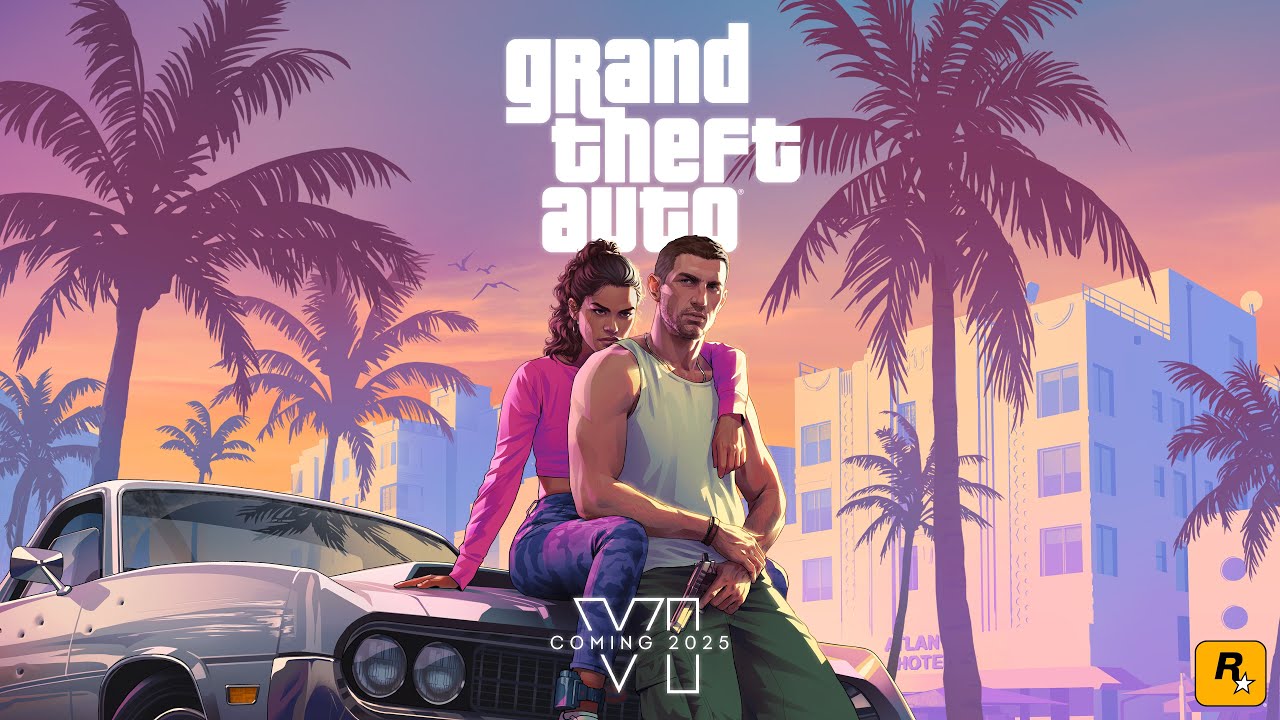
When a hacker calling themselves Cyberleek began publishing Grand Theft Auto 6 gameplay footage on August 18, the framing was carefully constructed: this wasn't a theft, it was a protest. GTA 6 was going to be sold all-digital, Rockstar's servers could go dark someday, and consumers deserved to know what they were buying into. The manifesto was coherent. The argument had genuine precedent — Ubisoft's server shutdown of The Crew remains a real consumer grievance the industry hasn't fully resolved.
Then Cyberleek cashed out $268,000 in meme coin on Thursday August 28 and went quiet.
The footage kept leaking. The pump-and-dump completed. The cause remained unchanged. The cause was, according to most analysts who watched the scheme unfold, never the point.
What Cyberleek Actually Did
The operation had three components running simultaneously. First: a custom website publishing GTA 6 gameplay clips, building traffic and credibility as a genuine leak source. Second: a meme coin launch, with Cyberleek urging supporters to buy it and positioning the currency as a kind of ideological endorsement. Third: a voting mechanic on the website where users could pay in cryptocurrency to vote on what footage Cyberleek released next — a model that created financial incentive to keep the leak going while building the coin's price.
The mechanics are straightforward in retrospect. Generate hype around leaked footage. Direct that hype toward a token. Inflate the token's value. Sell at peak. The stated cause — all-digital consumer rights — functioned as the emotional wrapper that made the whole scheme feel like something other than what it was.
| Phase | Action | Effect |
|---|---|---|
| Week 1 (Aug 18–20) | Publish footage, launch coin | Traffic spike, token interest |
| Week 2 (Aug 20–27) | Coin-gated voting on leaks | Sustained token demand |
| Aug 27 | Lucia Caminos cutscene released | Peak interest before cashout |
| Aug 28 | $268,000 cashed out | Token value drops, leaks stop |
The Reddit analysis came quickly. "This was the play all along," wrote user ElegantEchoes in a post that collected nearly a thousand upvotes. "It's a simple pump and dump scheme."
The All-Digital Argument: Real Grievance, Wrong Vessel
The frustrating part of this story is that Cyberleek's underlying argument is not wrong. When Ubisoft shut down The Crew's servers in early 2024, players who paid full price for a game lost access permanently. There was no refund. There was no offline patch. The game simply stopped existing for everyone who owned it.
The lesson players and regulators drew from that incident was real: all-digital game ownership is not the same as ownership. You're licensing access, and if the licensor pulls the server, you lose the product regardless of what you paid. Cyberleek cited The Crew directly in the manifesto. The citation was accurate.
But the meme coin cashout made the argument moot. A hacker who genuinely believed in the cause would not have structured their protest around a financial instrument designed to enrich themselves at their followers' expense. The $268,000 exit is not the behavior of someone who wanted to change the industry. It's the behavior of someone who found a story that would get people to buy a token.
The all-digital debate will continue. It deserves serious attention from platforms, regulators, and publishers. Cyberleek is not the right avatar for that conversation.
Take-Two's Legal Response
Take-Two Interactive filed subpoenas against Microsoft and Discord on August 20 — two days after the first footage appeared — seeking account registration data linked to suspected Cyberleek identities. Additional subpoenas followed against Google and X Corp. The filings request both the removal of copyright-infringing material and identifying information about the user or users behind the accounts.
The speed of the legal response is notable. Rockstar's 2022 breach — 90 GTA 6 clips leaked by an 18-year-old hacker named Arion Kurtaj, who accessed the company's internal Slack from a Travelodge hotel room using a TV remote — cost Rockstar $5 million in data recovery and wiped more than $2 billion from Take-Two's market capitalization. The company has clear institutional memory of what a leak costs.
Cyberleek's meme coin traces to a wallet on the KuCoin exchange, which requires government-issued ID and email verification for all users. If KuCoin cooperates with investigators — and cryptocurrency exchanges have increasingly done so under legal pressure — identifying Cyberleek becomes significantly more tractable than in the 2022 case. Arion Kurtaj, despite the chaos of that breach, was recently released from hospital and will face trial shortly. The industry's track record of catching high-profile leakers is better than the drama around each incident suggests.
How Much Did the Leak Damage GTA 6?
Less than it could have. IGN's Tom Phillips called the footage damaging from a Rockstar perspective, noting that "numerous sections of GTA 6's world have now been revealed." Some of the footage was clearly unfinished, which risks setting audience expectations against an incomplete picture of the shipped game. Rockstar's statement called the situation "heartbreaking."
But the Netflix exclusive "Extended Look" — for which the streaming platform reportedly paid approximately $100 million for broadcast rights, per an industry insider cited by The Observer — went ahead as planned on Thursday and immediately hit the No. 1 position on the platform. Whatever appetite Cyberleek tried to exhaust, it didn't. If anything, the controversy amplified general awareness of GTA 6's November 19 release date.
Market research firm Newzoo projects that GTA 6's launch will drive a 17.5% increase in overall game industry spending this year. The global games industry is projected to hit $213.9 billion by year's end. A meme coin scheme that nets $268,000 is not a rounding error against those numbers — it barely registers.
The GTA 6 Gravity Well
The most telling data point about GTA 6's commercial scale isn't the Netflix deal or the market projections. It's what other studios are doing to avoid it.
Roberts Space Industries announced this week that Squadron 42 — the long-delayed single-player campaign from Star Citizen, a project that has raised over one billion dollars from backers and has been in some form of development since 2012 — is being delayed again. The new target is Q2 2027. The stated reason, per RSI CEO Chris Roberts: avoiding the "buzzsaw of GTA 6."
“"There is no way I want to launch my spiritual successor to Wing Commander, a game that has had twelve years of blood, sweat and tears invested into it...launching into the buzzsaw of GTA6." — Chris Roberts, Roberts Space Industries
Critics noted the excuse was convenient and its logic thin — Squadron 42 is a PC-only space game in an entirely different genre from GTA 6. But the willingness to cite it, even as cover for another delay, illustrates exactly how completely GTA 6 has restructured the fall 2026 release calendar for the entire industry.
What This Means Going Forward
The Cyberleek incident sketches a template that will likely be replicated. A high-profile unreleased game, a social-media-friendly manifesto, a cryptocurrency vehicle, and a compressed timeline before the cashout. The structural conditions — all-digital games with no physical backup, crypto markets that reward short-term speculation, and an audience large enough to move a token — exist for any major upcoming release.
What makes GTA 6 a uniquely good target is the size of the audience and the length of the development. A game that's been anticipated for 10 years at a $2 billion budget draws the kind of pre-launch interest that can move markets in other asset classes. The meme coin route worked well enough to extract a meaningful sum before the audience figured out the mechanics. The next iteration of this scheme will probably arrive before the industry has developed a response to the first one.
Sources
- ▶The Observer: Why is Grand Theft Auto 6 being held for ransom? (Aug 28, 2026)
- ▶Time News: Take-Two Subpoenas Microsoft and Discord Over GTA 6 Leaker (Aug 28, 2026)
- ▶Kotaku: Star Citizen's Squadron 42 Delayed Yet Again To Avoid GTA 6 (Aug 28, 2026)