Devolver Digital is formally moving to delist from the London Stock Exchange's AIM (Alternative Investment Market). The publisher behind distinctive indies like Hotline Miami, Cult of the Lamb, and Inscryption filed the proposal to shareholders on August 6, with a general meeting set for September 8. The resolution requires at least 75% of votes cast in favor; if it passes, trading would cease on September 16. The backdrop: a 96% share-price collapse since Devolver's 2021 IPO.
- ▶Sources: GameDeveloper · Insider Gaming · GodisaGeek · Game World Observer
At a Glance
| Item | Detail |
|---|---|
| Company | Devolver Digital |
| Market | London Stock Exchange, AIM |
| Proposal filed | August 6, 2026 |
| General meeting | September 8, 2026 |
| Approval threshold | 75%+ of votes cast |
| Trading ends | September 16, 2026 |
| Share price since IPO | Down 96% (listed 2021) |
| Projected savings | ~$1.6M per year |
| Tender offer | Up to ~23.32M shares at 16p each |
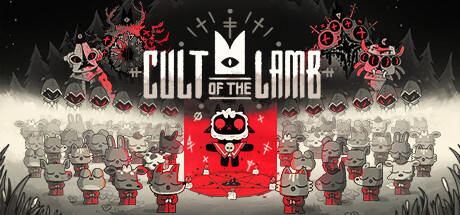
Cult of the Lamb — one of Devolver's signature indie hits. The publisher built its identity on a distinctive, offbeat lineup
What's Happening — The Delisting Roadmap
Devolver disclosed the AIM cancellation proposal in an August 6 shareholder letter, and the timeline is clear. A September 8 general meeting will put delisting to a special resolution; clear the 75%-of-votes threshold required by the company's articles, and trading on AIM ends September 16. The reaction was immediate — Devolver's shares fell sharply the moment the plan went public, a blunt reflection of how the market read the move.
Alongside the delisting, Devolver is running a tender offer. It will buy back up to ~23.32 million shares at 16 pence each, capping total spend at roughly £3.7 million (about $5 million). The point is to give minority holders — who would otherwise struggle to sell once the stock is delisted — at least a minimal exit window.
Devolver's Stated Reasons
The core argument: indie publishing doesn't fit public markets. Devolver said the unpredictable nature of the business is not "readily compatible" with the semi-annual public reporting that emphasizes "predictable, sequential growth." When results hinge heavily on a handful of titles, the pressure of quarterly and half-year reporting can distort long-term decisions.
There's a financial case, too. The company estimates going private saves about $1.6 million a year in the regulatory, disclosure, and audit costs of staying listed — money it wants to redirect toward strengthening its financial position. Devolver also argues its current share price simply doesn't reflect the company's real value.
| Rationale | Detail |
|---|---|
| Business fit | Indie unpredictability vs. semi-annual reporting |
| Cost savings | ~$1.6M per year |
| Undervaluation | Share price seen as not reflecting value |
| Shareholder care | Tender offer provides liquidity |
The Numbers Behind the Fall
Devolver's 2021 AIM listing was hailed as an indie-publisher success story. Since then, underperforming releases and a more competitive market have driven the stock down 96% from its debut. The delisting announcement itself pushed shares lower again, underscoring how the market views the pivot.
This isn't a Devolver-only problem. As the pandemic-era inflation of gaming-company valuations gave way to a correction, many listed indie and mid-size publishers have weathered similar pressure. Devolver's decision is one slice of that broader trend.
Industry Context — Public vs. Private
Devolver's move rhymes with a wider reshuffling of ownership structures across gaming. At the top end, EA agreed to be taken private in a Saudi PIF-led buyout; at the indie end, Devolver wants off the public market entirely. The scale and direction differ, but the shared premise is the same — that the cost and pressure of a public listing no longer match the substance of the business.
Indie publishing, where results swing on a few hits, sits in fundamental tension with a public market sensitive to quarterly performance. By naming that tension explicitly, Devolver is openly airing doubt about the listed-indie-publisher model itself.
What It Means for Players and Developers
None of this halts development or release of the games Devolver publishes. Delisting changes the ownership and capital structure, not the publishing business. Devolver frames it as freeing itself from public-market pressure to focus on longer-term projects — in theory making it easier to back riskier, experimental indies without watching a quarterly scoreboard.
The flip side is reduced financial transparency once private, making it harder for outsiders to gauge the company's health. For studios that partner with Devolver — and the players waiting on that lineup — the real thing to watch is the upcoming release pipeline and support strategy.
GamePeak Takeaway
| Point | Summary |
|---|---|
| Headline | Devolver moves to delist from AIM |
| Timeline | Sept 8 vote → trading ends Sept 16 if approved |
| Threshold | 75%+ of votes cast |
| Backdrop | 96% share-price fall since IPO |
| Rationale | Indie business fit + ~$1.6M annual savings |
| Impact | Publishing continues; transparency drops |
Devolver's delisting bid is the company publicly declaring that indie publishing and public listing don't mix. The September 8 vote — and the direction of its release support afterward — will define the next chapter for a now-private Devolver.