Shortly after his closing keynote at Unreal Fest Chicago 2026 on June 24, 2026, Epic Games CEO Tim Sweeney sat down with PC Gamer and took direct aim at Valve's mandatory AI content disclosure policy on Steam. Sweeney called the requirement a "Scarlet Letter of AI" and said it was "irresponsible" of Valve to enforce it.
The timing drew immediate scrutiny: Epic had just used the same event to unveil deep AI integration in Unreal Engine 6 (UE6), fueling accusations that Sweeney's criticism is colored by Epic's own commercial stake in normalizing AI in game development.
| Item | Detail |
|---|---|
| Speaker | Tim Sweeney (Epic Games CEO) |
| Outlet | PC Gamer interview |
| Date | June 24, 2026 (right after Unreal Fest Chicago) |
| Target | Valve's Steam AI content disclosure policy |
| Key phrases | "Scarlet Letter of AI," "irresponsible of Valve" |
| Context | Epic unveiled Unreal Engine 6's AI integration at the same event |
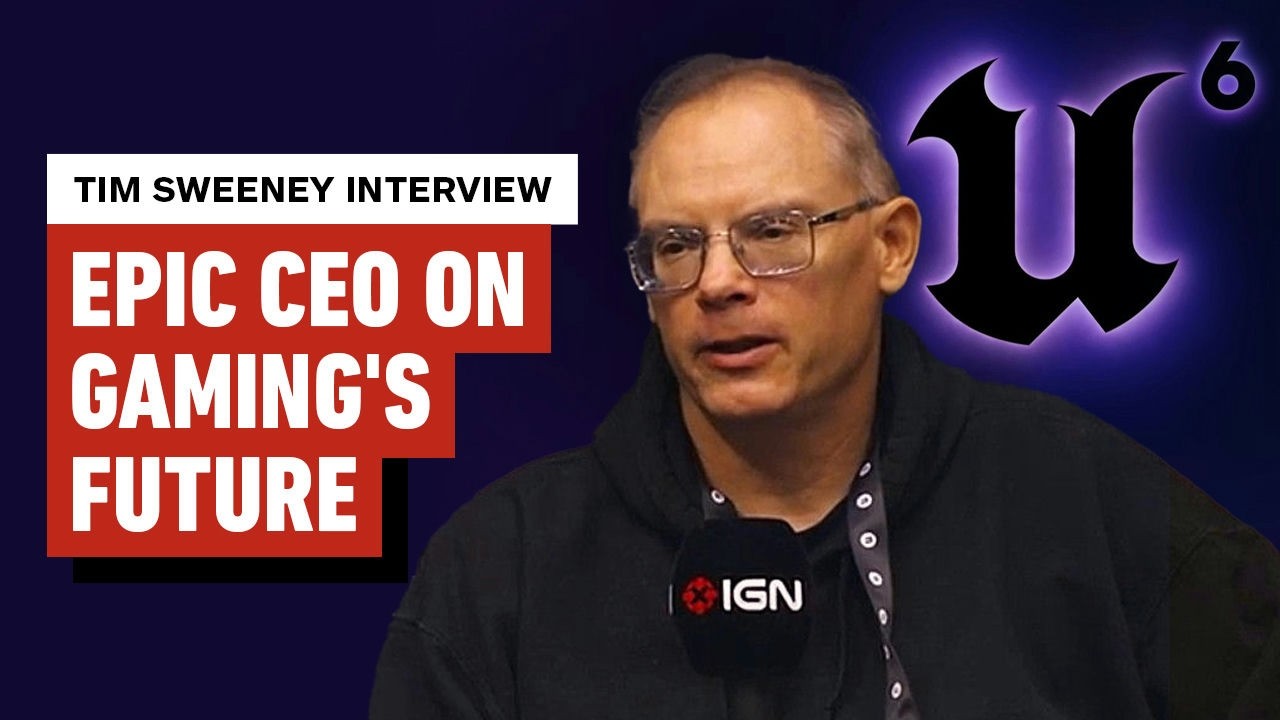
"IGN's interview with Tim Sweeney, covering Unreal Engine 6's AI integration and the state of the games industry.
Timeline
| Date | Event |
|---|---|
| 2024 | Valve introduces mandatory generative-AI disclosure for Steam developers |
| January 2026 | Valve narrows the scope — behind-the-scenes AI use (coding assistance, etc.) no longer requires disclosure; only marketing/in-game-consumed content does |
| June 17, 2026 | Unreal Fest Chicago opens; Epic showcases AI integration in Unreal Engine 6 |
| June 24, 2026 | Sweeney tells PC Gamer that Valve's AI disclosure policy is "irresponsible" |
| June 25, 2026 | wccftech and Destructoid publish follow-ups flagging Sweeney's conflict of interest |
| June 26, 2026 | HotHardware, MediaNama and others publish further analysis as the story spreads |
What Sweeney Said
Sweeney noted that Steam controls roughly 75% of the PC games market, making Valve's disclosure policy a de facto industry standard. He told PC Gamer:
""It's unfortunate that so many developers now are put into this position. If you want to launch a game and get it as widely publicized as possible, you've got to put it on Steam so people can wishlist it, and if you want to play it on Steam, then you have to get this Scarlet Letter of AI attached to your product, and now there is a hater community trying to kill the game." — Tim Sweeney, PC Gamer interview
""I think it's really irresponsible of Valve. They shouldn't do it, because it makes it much, much, much harder for a game developer to have a chance of success. You have to choose from either not using tools that can make you way more productive, and probably failing due to competition that does." — Tim Sweeney, PC Gamer interview
Sweeney framed AI as a "great equalizer," arguing that smaller studios need it to compete against large publishers backed by huge budgets. Without access to such tools, he said, "all of those companies will die, because they just can't compete."
He did concede some ground on AI training ethics. Pressed on concerns that AI models are trained on other people's work without permission, Sweeney acknowledged "some AI models have been trained using unethical methods," but argued the industry is "over time, coming up with better practices."
What Valve's AI Disclosure Policy Actually Requires
Valve has required Steam developers to disclose generative-AI use since 2024. The policy distinguishes between pre-generated AI content (AI-made assets shipped with the game) and live-generated AI content (content an AI system generates while the game is running, which requires developers to explain their safeguards against harmful output).
In January 2026, Valve narrowed the disclosure form's scope: AI used purely for behind-the-scenes productivity — coding assistance, internal concept art, office work — no longer needs to be disclosed. Only AI content that appears in marketing materials or ships with the game for players to consume still requires it.
Industry data cited in coverage of the dispute shows that games carrying the AI disclosure receive 53% fewer reviews than comparable titles without it, and are more likely to skew negative — a potentially serious handicap for smaller studios given Steam's market dominance.
Where Each Side Stands
Epic Games / Tim Sweeney
Sweeney frames AI tools as productivity aids, arguing that "only a fraction" of asset-creation time is genuinely creative. He wants Valve's disclosure requirement scrapped entirely.
The Pushback
Several outlets flagged contradictions in Sweeney's framing. HotHardware argued that "by its own logic, you must develop games with AI to win, but if you do, you're doomed to fail on Steam" — calling the two claims mutually exclusive. Destructoid went further, tying the comments directly to Epic's commercial interest in Unreal Engine 6's AI push.
Valve
Valve has not issued a public response to Sweeney's comments. Coverage of the dispute notes that the disclosure policy itself has generally drawn positive reception from consumers since its 2024 introduction.
Community Reaction
Reaction across gaming communities leaned critical of Sweeney's framing.
- ▶"Calling consumer concern over AI training data a 'hater community' misses the point entirely" — common fan response
- ▶"Saying this right as your own engine goes all-in on AI is about as on-the-nose as it gets" — echoed in HotHardware's coverage
- ▶"Transparency is a legitimate consumer right. Steam's policy isn't perfect, but the direction is right" — widely shared industry take
- ▶Some pointed to the 53%-fewer-reviews statistic as evidence the market is already using AI disclosure as a purchasing signal, regardless of how Sweeney characterizes it
Support for Valve's underlying disclosure policy appears to have held steady through the controversy.
GamePeak's Take
| Angle | Key Point |
|---|---|
| Statement | Sweeney calls Steam's AI disclosure a "Scarlet Letter" and "irresponsible" |
| Context | Comments land right after Epic's own UE6 AI showcase — raising conflict-of-interest questions |
| Data | AI-disclosed games get 53% fewer reviews and skew more negative |
| Market structure | Steam's ~75% share makes Valve's policy a de facto industry standard |
The dispute crystallizes a real tension in game development: studios chasing efficiency gains from AI versus players who want to know what they're buying before they buy it. With Epic pushing an AI-friendly future through Unreal Engine 6, whether Valve holds or adjusts its disclosure policy is the thing to watch next. GamePeak will keep following this story.