California Assembly Votes 43–16 to Protect Game Buyers
In a decisive bipartisan vote, the California State Assembly passed AB 1921 — the Protect Our Games Act — 43 votes in favor, 16 against in late May 2026.
Assemblymember Chris Ward, who introduced the bill, announced the result directly to the gaming community:
“"AB 1921 the Protect Our Games Act has just passed the legislature with 43 I votes and bipartisan support. The idea came to me from a constituent in San Diego who is tired of seeing their game shut down after recent purchases. We're fighting for your consumer protection and making sure that you have a full right and enjoyment to these games." — Assemblymember Chris Ward
The bill now heads to the California State Senate, where it faces committee hearings scheduled for June before a potential floor vote.
Event Timeline
| Date | Event |
|---|---|
| Early 2024 | Ubisoft shuts down The Crew servers — purchasers lose all access permanently |
| Mid 2024 | Content creator Ross Scott launches the "Stop Killing Games" campaign |
| September 2024 | Ubisoft announces offline mode for The Crew 2 in response to backlash |
| October 2025 | The Crew 2 offline mode ships (~12 months after announcement) |
| February 12, 2026 | Assemblymember Chris Ward files AB 1921 |
| March–April 2026 | Privacy & Consumer Protection Committee; Judiciary Committee both pass it |
| April 30, 2026 | Assembly Appropriations Committee passes the bill |
| May 18, 2026 | Scope amendment: applies to games "first available or re-released" after Jan 1, 2027 |
| Late May 2026 | Assembly floor vote: 43–16, bipartisan approval |
| June 2026 | Senate committee hearings in progress |
| TBD | Governor Gavin Newsom signs or vetoes |
What AB 1921 Actually Requires
If signed into law, AB 1921 applies to any server-dependent digital game first available for purchase or re-released on or after January 1, 2027 in California.
Before Service Ends
Publishers must provide 60 days advance notice both in-game and on the company's website, disclosing:
- ▶When service ends
- ▶Which features will be affected
- ▶Security risks to players
- ▶How purchasers can continue using the game or obtain a refund
After Service Ends
Operators must provide at least one of the following:
| Option | Requirement |
|---|---|
| A | A version of the game playable without operator servers (offline build) |
| B | A patch enabling the existing game to run independent of operator services |
| C | A full refund equal to the original purchase price |
Out of Scope
- ▶Subscription-based games where access is explicitly tied to ongoing payments
- ▶Free-to-play games with no monetization
- ▶Games that can be downloaded and played permanently without server access
Each Side's Position
For: Stop Killing Games + Consumer Advocates
Stop Killing Games (SKG) is the bill's primary advocacy partner, having worked directly with Assemblymember Ward's office. The campaign originated with The Crew shutdown in 2024 and has since grown into a global movement.
The Video Game History Foundation argues that games are significant cultural heritage assets deserving the same legal protections as films, music, and books.
Core arguments:
- ▶Buyers paid full price for a product, not a time-limited service
- ▶Publishers never disclosed at the time of sale when service would end
- ▶If California requires offline provisions, global publishers will comply worldwide rather than maintain separate regional builds — the same dynamic that drove EU privacy laws global
Against: Entertainment Software Association (ESA)
The ESA — representing EA, Activision Blizzard, Take-Two, and others — is a registered opponent of the bill at every stage.
ESA's stated objections:
- ▶Games are "dynamic software systems, not static products"
- ▶Licensed content (music, athlete likenesses, brands) involves fixed-term rights that can't be made perpetual
- ▶Requiring offline builds creates cybersecurity risks and exposes proprietary IP
- ▶"Impossible legal and technical obligations" for live-service developers
SKG has directly rebutted each point, citing examples like Forza Horizon 4 (which has over 100 car brands and music licenses, was removed from sale in 2024, but remains fully playable for existing owners) as proof that licensed content and continued offline playability are not mutually exclusive.
The Scope Narrowing: What Changed on May 18
The most significant amendment came on May 18: the bill's coverage changed from applying to any game on sale after January 1, 2027 to only games first available or re-released after that date.
This effectively exempts most of the existing back catalog from immediate compliance requirements. A game sold since 2020 and still available won't be covered unless it's explicitly re-released in a new form after the cutoff date.
SKG acknowledged the narrowing as a pragmatic compromise: their global position on the EU citizens' initiative has always been that the movement is "not retroactive" and focuses on future games.
Screenshots
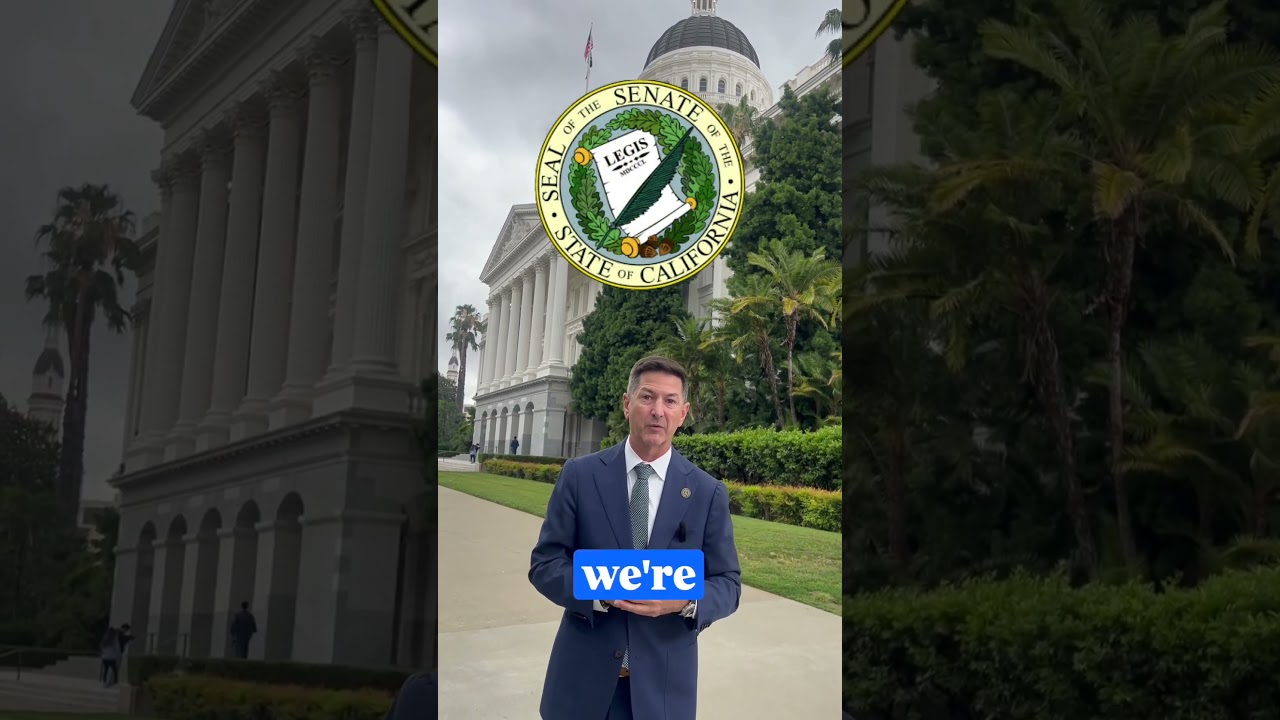
Stop Killing Games official channel — Assemblymember Ward announces 43–16 passage (13,200+ views)
Bellular News — full breakdown of AB 1921 and its implications (229,900+ views)
Community Reaction
- ▶"We've been yelling about The Crew since 2024. This is actually happening."
- ▶"California passing it basically forces every major publisher to comply globally. The EU effect all over again."
- ▶"ESA lost three times trying to kill this bill. That says everything."
- ▶"The refund clause is the real teeth. If publishers have to give full refunds when they shut servers, they'll plan end-of-life from the start."
- ▶"No private right of action is the big flaw. If enforcement relies on the AG's office, publishers will just wait to get caught."
- ▶"This isn't a radical ask. Just tell players when you're shutting down and give them a way to keep playing."
GamePeak Analysis
| Aspect | Assessment |
|---|---|
| Legislative Progress | ★★★★☆ — Assembly passage is a real milestone |
| Consumer Protection Strength | ★★★☆☆ — No private right of action limits individual recourse |
| Industry Impact Potential | ★★★★★ — California as global compliance driver is well-established precedent |
| Odds of Becoming Law | ★★★☆☆ — Senate, potential amendments, and governor's desk remain |
Three hurdles remain: Senate committee hearings (June), a Senate floor vote, and Governor Gavin Newsom's desk. The bill could be amended further in the Senate, potentially weakening or strengthening the provisions.
The 43–16 bipartisan Assembly margin is meaningful — it signals that gaming consumer rights have moved from a niche community issue to a mainstream legislative concern. The strongest predictor for what happens next is whether California gaming consumers contact their State Senators.
GamePeak will continue tracking this bill through the Senate.
Sources: Stop Killing Games official channel, brutaluniverse.com, Bellular News, GamesRadar, California Legislative Information (full text of AB 1921)