Editor's note: this article summarizes published reviews, store data and community reception. GamePeak did not run its own playtest, so no GamePeak score is given.
WUCHANG: Fallen Feathers at a Glance
The Chinese game industry's ability to execute at AAA level — and in the punishing soulslike genre specifically — was demonstrated decisively by Black Myth: Wukong in 2024. WUCHANG: Fallen Feathers arrives carrying that momentum and, in several meaningful respects, advances it. This is not a Black Myth clone chasing a trend. It's a distinct and accomplished action RPG with its own aesthetic identity and combat philosophy.
🎬 Official Trailer
Setting and Atmosphere
WUCHANG is set in a late Ming dynasty China consumed by a supernatural plague. The feather plague — a spreading horror that transforms infected humans into grotesque, feather-encrusted creatures — is not just a narrative device. It's the visual and tonal foundation of everything the game builds.
The world Leenzee Games has constructed is genuinely striking. Temple districts overrun with plague formations, misty mountain passes guarded by corrupted imperial soldiers, subterranean ritual chambers drawn from Chinese mythology — the art direction is consistent and confident throughout. WUCHANG looks like a game made by a studio with a clear visual identity, not one assembling familiar parts.
The protagonist's storyline intersects with Ming dynasty historical politics and folk horror in ways that feel researched rather than surface-level. Players unfamiliar with Ming-era Chinese culture and mythology will find the setting rewarding to explore; players who know the history will find layers of referential detail woven into the environment design.
The Protagonist: Wuchang and the Mystery of Memory
Wuchang herself is a female warrior who wakes with no memory of who she is or how she came to be in a plague-ravaged landscape. The amnesiac protagonist is a familiar genre device, but WUCHANG uses it with structural intelligence borrowed from the Soulsborne playbook.
The story is not delivered through cutscenes and dialogue. It is assembled. Item descriptions, environmental details, conversations with scattered survivors, the architecture of locations and the state in which you find them — all of this accumulates into a picture that the game never fully presents at once. By the midpoint, players who engage with the environmental storytelling will begin to understand that Wuchang's connection to this disaster is not incidental. The nature of that connection, and its moral weight, forms the narrative's strongest material.
The approach rewards active engagement. Players who run through environments to reach the next combat encounter will miss most of the story. Players who read, observe, and make connections will find a narrative that earns its mysteries.
The Featherfall Sickness: World-Building in Depth
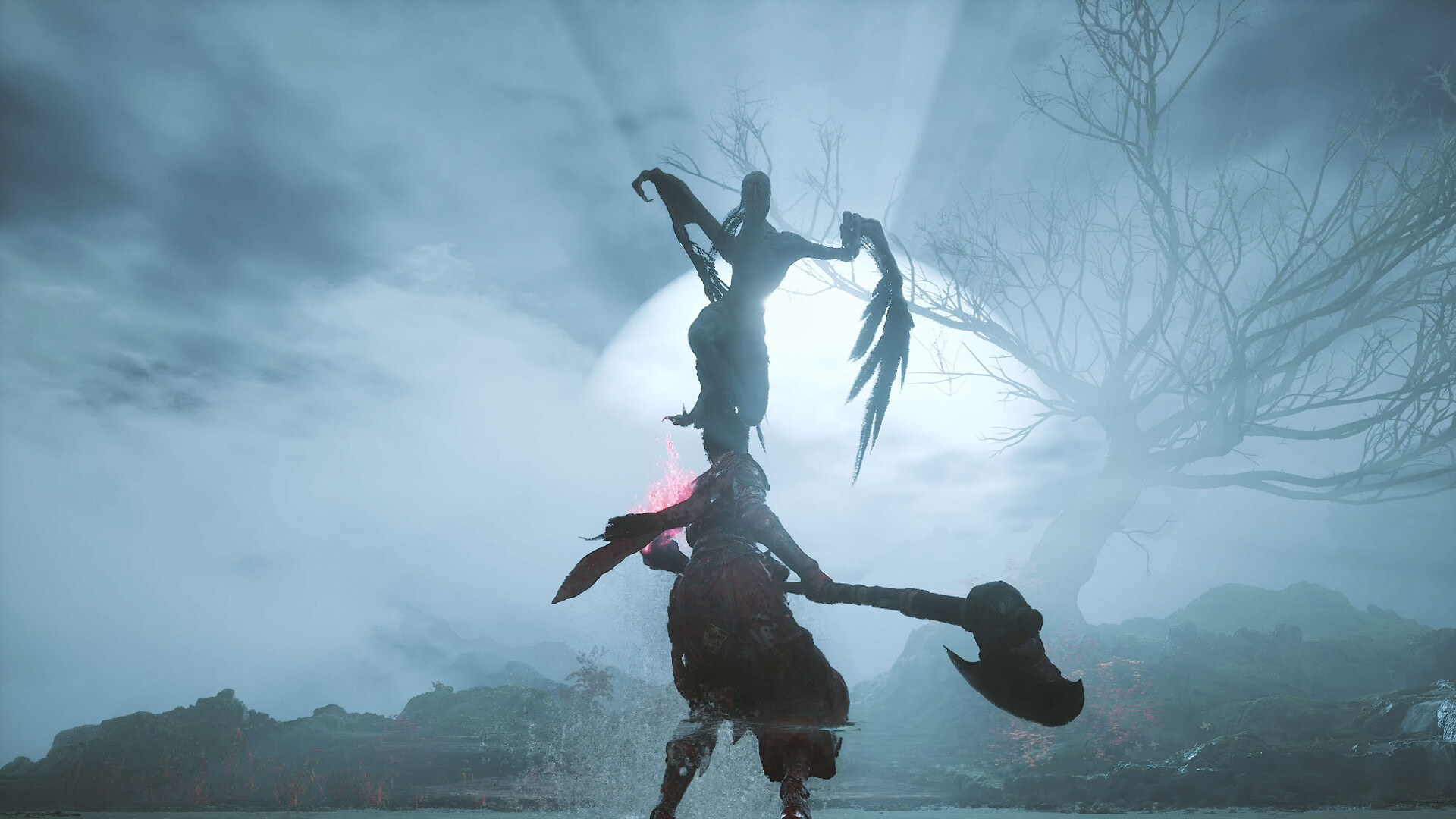
The feather plague is WUCHANG's most distinctive world-building achievement. It functions simultaneously as visual design language, gameplay system, and narrative engine.
The nature of the infection: The plague's origin is one of the game's central mysteries — and it is not resolved cleanly. What the game does establish is that the infection spreads through contact, that it progresses through distinct stages, and that something older and more deliberate than simple disease underlies its emergence. The intersection of Ming dynasty political collapse, religious fanaticism, and something ancient and non-human is the thematic territory the game occupies.
Stages of transformation: Early-stage infected retain human consciousness and form but display feather markings on skin and eyes. Mid-stage infected begin to physically transform — feathers emerge, skeletal structure shifts, behavior becomes erratic. Late-stage infected are barely recognizable as human. This spectrum is directly reflected in enemy design: the same conceptual category of "plague victim" produces radically different visual forms depending on progression stage. The range makes the enemy roster feel cohesive thematically while maintaining visual variety.
Social consequences: The game's environmental storytelling depicts what the plague has done to Ming dynasty society. Imperial military units have fractured — some continue executing infected, others have been consumed by the plague themselves. Religious communities have splintered between those who regard the infected as cursed and those who have begun to worship the transformation. Villages have sealed themselves off entirely. The human responses to an incomprehensible catastrophe are as varied as they are recognizable.
Combat: Sekiro Meets Bloodborne
WUCHANG's combat system draws clearly from two sources, and the synthesis works.
From Sekiro: Shadows Die Twice: a posture-based deflection system where patient, precise parrying builds toward stagger states and critical strikes. Reading enemy attack patterns and matching them with well-timed counters is the central skill the game develops.
From Bloodborne: aggressive forward pressure is rewarded. Maintaining offensive momentum not only deals damage but enables recovery mechanics that punish passivity. Standing back and waiting is viable against some enemies; against most of the game's significant encounters, it's a losing approach.
The result is a combat rhythm that demands both precision and aggression simultaneously — technically demanding, deeply satisfying when it clicks.
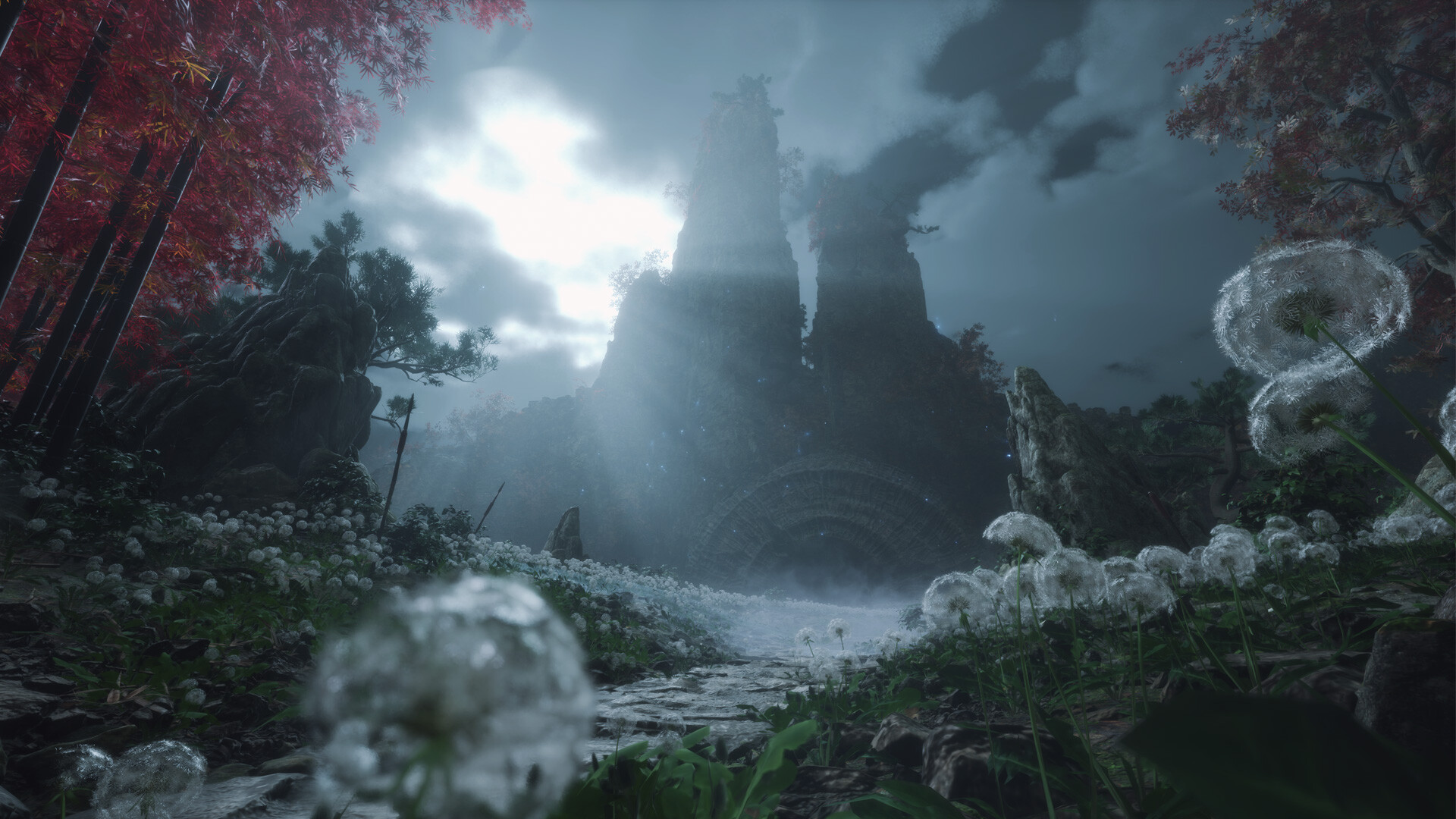
If you've played Sekiro, the deflection system will feel familiar within the first hour. If you're coming from Elden Ring's more roll-based approach, expect an adjustment period — parrying is far more central here.
Weapons and the Feather Ability System
WUCHANG's build depth comes from the interaction between its weapon types and its unique Feather Ability system.
Weapon archetypes cover familiar soulslike territory: fast single-handed swords prioritize deflection timing and counterattack chains; heavy two-handed blades deal massive posture damage but require commitment; polearms offer safer range at the cost of some agility. Each weapon type creates a distinct combat identity — the game is not balanced around a single optimal choice.
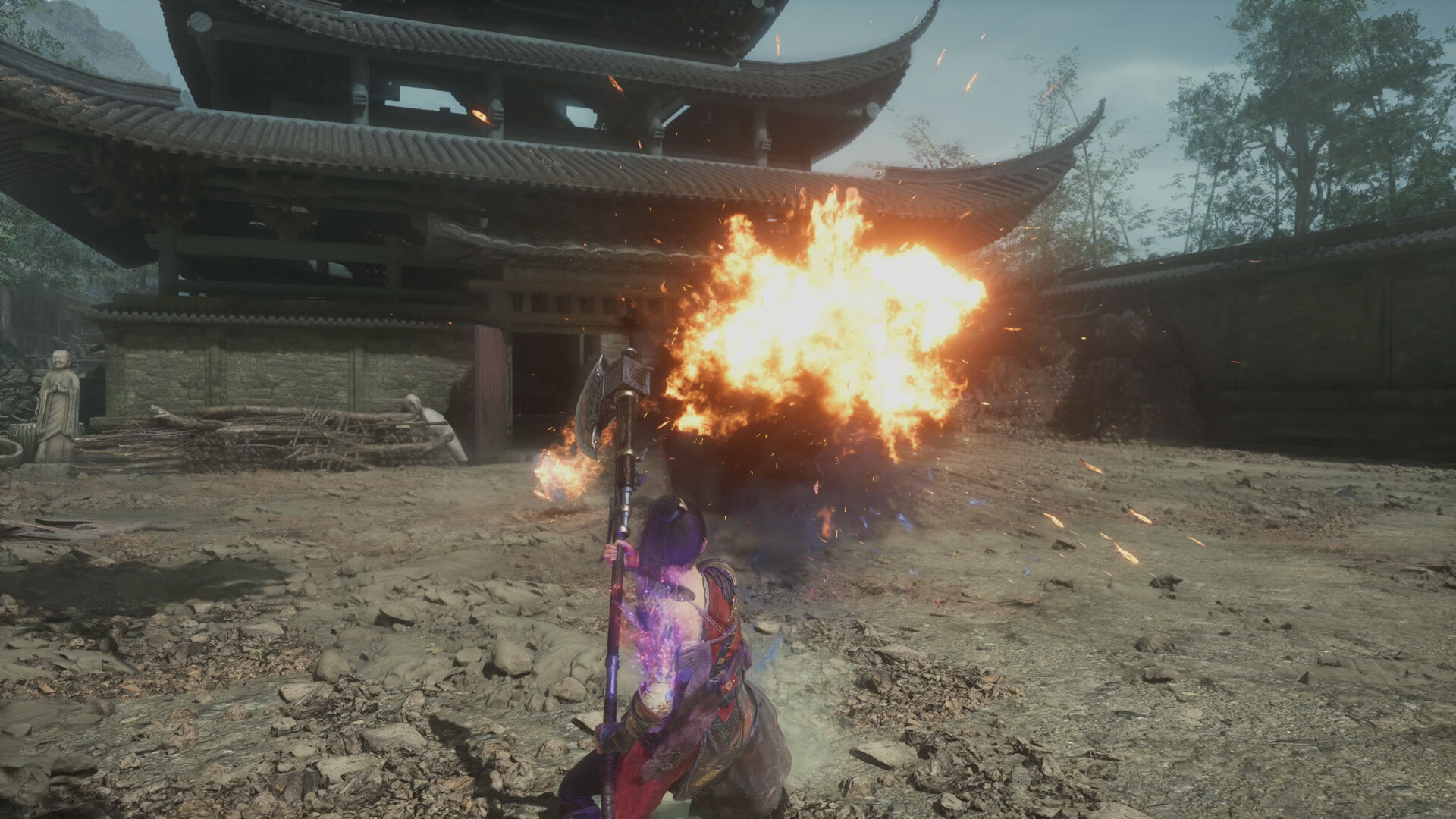
Feather Abilities are the system that sets WUCHANG apart. Wuchang can absorb plague energies from defeated enemies and certain environmental sources to unlock active abilities that she uses in combat. These abilities are categorized as offensive (high damage bursts, posture crushers), defensive (damage absorption, brief invincibility frames), and mobility (repositioning, aerial movement that allows access to otherwise unreachable terrain advantages during boss encounters).
The interaction between weapon choice and Feather Ability selection produces WUCHANG's build variety. A heavy weapon player who invests in defensive Feather Abilities plays very differently from a light weapon player who combines offensive abilities with maximum aggression mechanics. Multiple playthroughs with different configurations are plausible for players who enjoy build optimization.
Boss Design
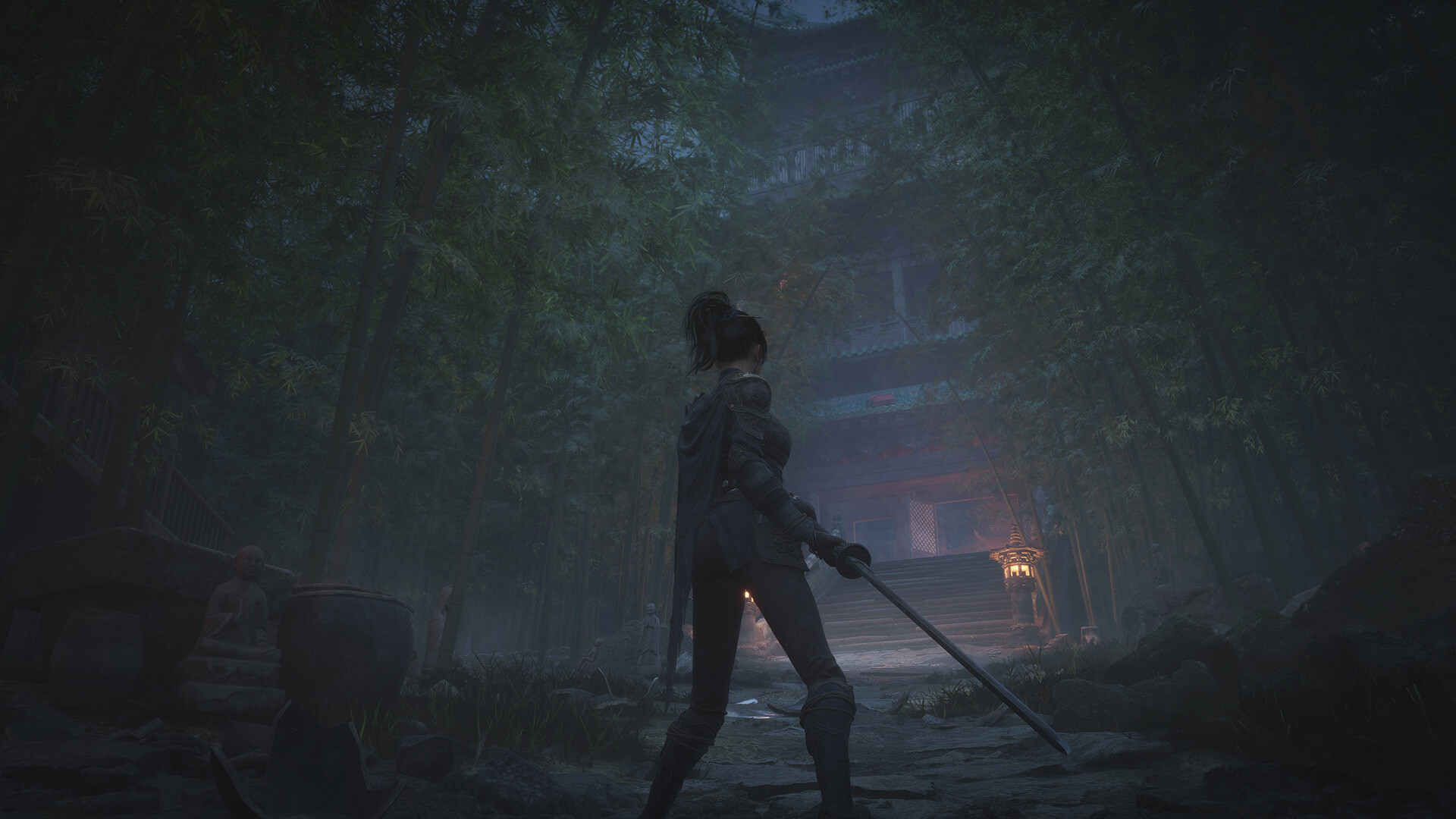
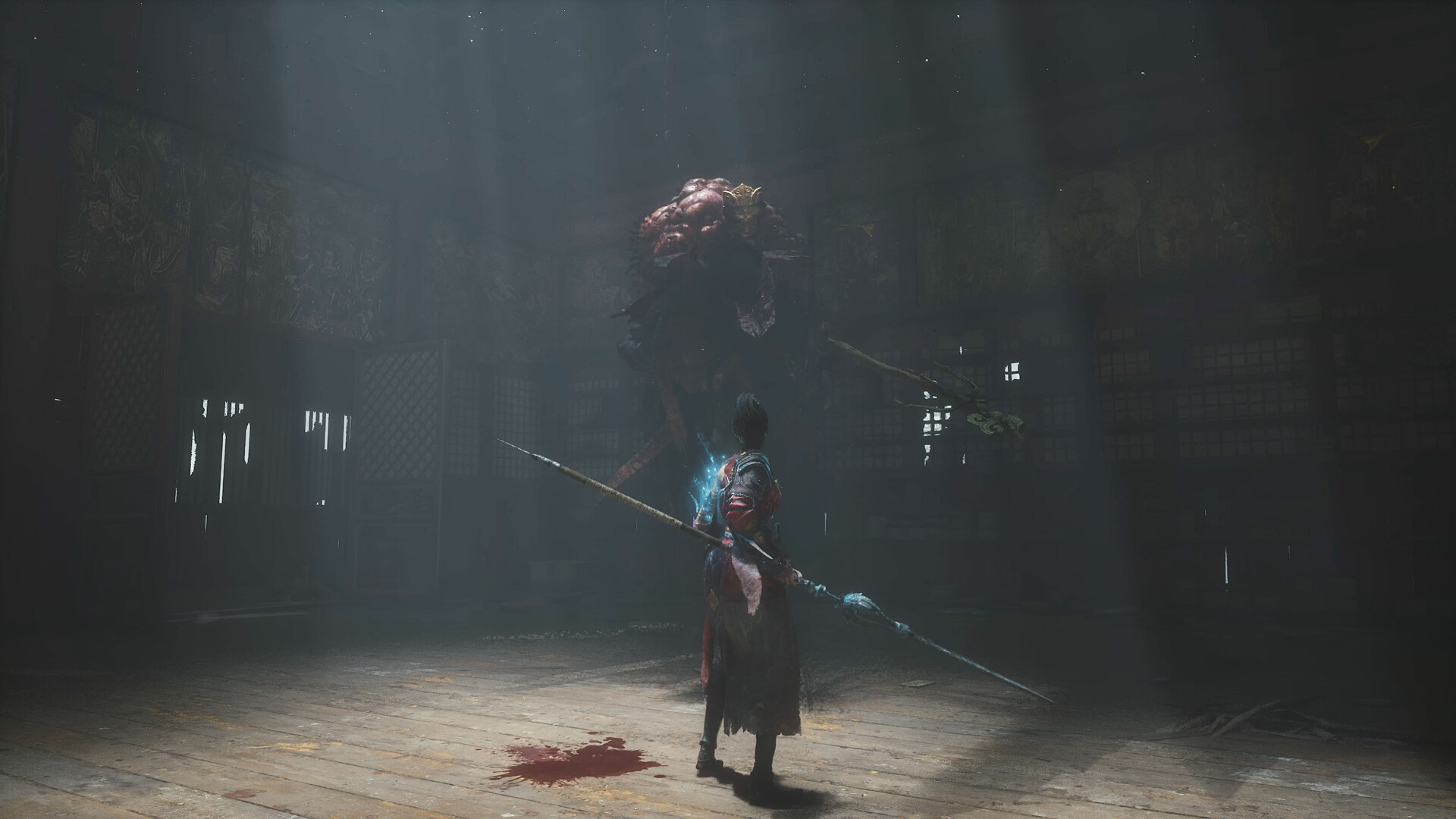
WUCHANG's bosses are drawn from Chinese folk mythology and historical legend, and the design team has not held back. Encounters include massive plague-transformed creatures with multi-phase mechanics, corrupted imperial figures with signature weapon movesets, and mythological entities that push both combat systems and visual effects rendering to their limits.
The standout fights are genuinely excellent — carefully choreographed encounters that require understanding distinct attack languages before patterns become readable. Several bosses have generated community discussion for their design quality in the same breath as comparable FromSoftware encounters.
Historical figure bosses: The game adapts Ming-era military and political figures as corrupted combatants. Their weapon styles reflect historical martial traditions, and their backstories — told through environmental details and item descriptions rather than explicit narration — give weight to what might otherwise be anonymous encounters.
Mythological bosses: Entities drawn from Chinese folk mythology appear in plague-transformed states that merge cultural reference with the game's horror aesthetic. These are the game's most visually ambitious encounters — scale is pushed, particle effects are dense, and multi-phase transformations during the fight itself are used for maximum dramatic impact.
The mid-game has a small concentration of bosses that feel underwritten relative to the surrounding content — encounters that are mechanically competent but lack the personality of the best fights. This is a minor criticism in a roster that otherwise delivers consistently, but it is noticeable.
Not every boss lands equally well. A small number in the mid-game feel under-developed relative to the surrounding content. But the peaks are high enough that the valleys are forgivable.
World Design and Exploration
WUCHANG's level design follows soulslike orthodoxy — interconnected environments, shortcuts that reward exploration, paths that loop back on themselves to reveal previously inaccessible routes. The execution is competent throughout and occasionally excellent.
The game's geography is organized around distinct regional biomes, each with consistent architectural and ecological identities derived from Ming dynasty geography and mythology. Moving between regions creates genuine environmental variety without sacrificing the sense that everything occupies the same coherent world.
Hidden paths are well-integrated: the best ones require either specific abilities unlocked later in the game or environmental observations that reward careful attention to the world rather than simple wall-testing. The collectible lore items are distributed meaningfully — most are found in contextually appropriate locations that reinforce their content rather than placed randomly.
Visual Fidelity
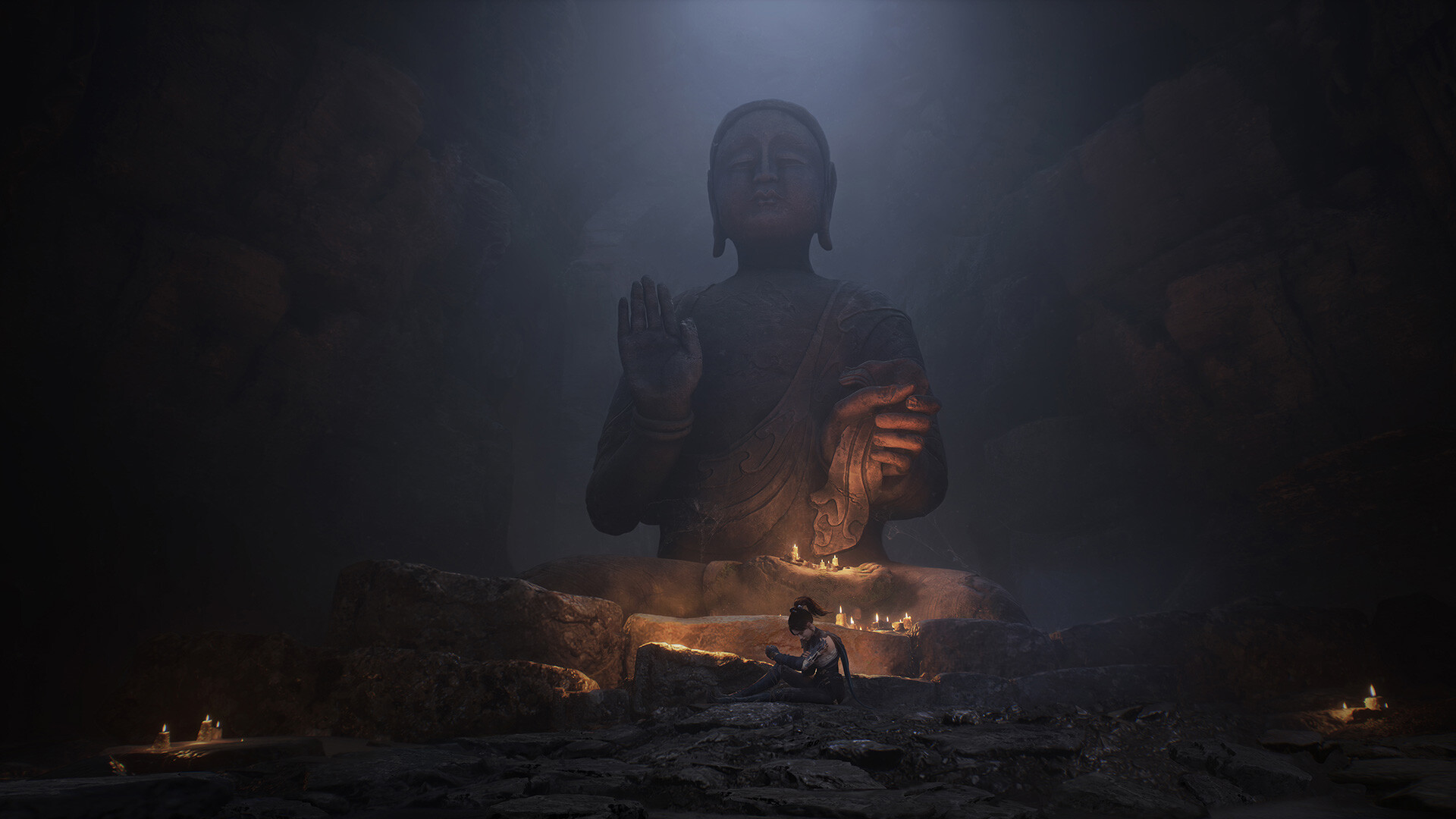
WUCHANG is one of the best-looking games of 2026 on PC. The environments are rendered with exceptional density and detail — the plague aesthetic is gruesome without being gratuitous, and the architectural faithfulness to historical Chinese design creates visual environments that stand apart from Western-developed action games.
Lighting in particular deserves mention: interior scenes with lantern and fire sources achieve a warmth that makes the horror elements land more effectively by contrast. The shift from warmly lit inhabited spaces to the cold, desaturated palette of plague-heavy zones is handled through lighting transitions that are technically accomplished and tonally effective.
Character design on the protagonist and major NPCs is strong — Wuchang's armor and weapon designs balance historical reference with the visual demands of the action genre without sliding into either generic fantasy or museum reproduction.
PC Performance and Optimization
Performance is good at high settings on mid-range hardware, though the recommended specs lean toward RTX 4070 territory for consistent 60fps at 1440p. DLSS 3, FSR 3, and XeSS support are all present and well-implemented — frame rate targets are achievable on lower-tier hardware through upscaling without meaningful visual degradation.
The game's initial release had documented performance inconsistencies in specific environmental configurations. Leenzee Games has addressed the most significant issues through post-launch patches. As of this review, stability is adequate, though players with specific hardware combinations should check recent Steam reviews for current status.
Accessibility Options
WUCHANG offers a more substantial accessibility suite than is typical for the soulslike genre:
- ▶Adjustable parry timing windows
- ▶Enemy aggression modifiers
- ▶Optional summoning mechanics for boss encounters
- ▶Comprehensive subtitle and UI text scaling
- ▶Colorblind mode support
The core experience is designed to be difficult, but the options available allow players to tune that difficulty without fundamentally changing the game's character.
Context: After Black Myth, and What Comes Next
Black Myth: Wukong proved that Chinese development studios could produce globally competitive action games. WUCHANG: Fallen Feathers demonstrates that this was not a one-time event.
The comparison between the two games is instructive precisely because they are so different in approach. Black Myth succeeded on scale, visual spectacle, and the weight of its source material (Journey to the West). Its combat system was designed for accessibility and spectacle — transformation abilities, crowd control, large-scale encounters. WUCHANG's combat is tighter and more demanding, its world is built for exploration rather than set-piece progression, and its narrative is deliberately obscured rather than directly told.
These are not competing visions of the same game. They are two different arguments for what Chinese action games can be. The fact that both arguments are compelling is what makes the current moment in Chinese game development significant beyond individual titles.
Players who bounced off Black Myth's more accessible combat may find WUCHANG's structured parrying system easier to develop genuine skill with. The inverse is also true. Neither game has a claim to superiority — they serve different player preferences within a shared genre and cultural context.
Verdict
WUCHANG: Fallen Feathers is the most accomplished Chinese soulslike to date, and a genuine peer to the genre's established benchmarks. Its visual identity is strong, its combat system rewards mastery, and its setting is used with purpose rather than as window dressing. The mid-game boss inconsistency and the demanding hardware ceiling hold it back from the genre's absolute top tier, but not by much.
For players who value combat depth, environmental storytelling, and a soulslike that commits fully to its thematic identity, WUCHANG delivers on all three counts. The feather plague setting is the game's most distinctive creative achievement — distinctive enough to stand alongside the genre's defining works as something genuinely its own.
Price: ₩59,800 (~$43)