Editor's note: this article summarizes published reviews, store data and community reception. GamePeak did not run its own playtest, so no GamePeak score is given.
# The Witcher 3: Wild Hunt — The Open World RPG That Redefined the Genre
Developer: CD Projekt RED | Release Date: May 19, 2015 | Genre: Open World Action RPG
Steam Rating: Overwhelmingly Positive (97,000+ reviews) | Metacritic: 92/100
Buy on Steam: View on Steam | Price: $39.99 (Complete Edition)
“Steam reviewers overwhelmingly place The Witcher 3 among the greatest RPGs ever made. Recurring sentiments include "the richest side quests of any game I've played," "every NPC feels like they have a real life," and "the Blood and Wine DLC is better than most standalone games." More than a decade after release, new players continue to pour in, and the game consistently holds a place in Steam's weekly top player counts. There is virtually no dissenting voice on whether this game belongs in the canon of this era's defining RPGs.
The Northern Kingdoms and Beyond — A World with Staggering Depth
The Witcher 3's world is not merely "a large open world." Built on the foundation of Polish author Andrzej Sapkowski's novel series, this is a fantasy that grafts Slavic mythology onto the dark realism of medieval Europe. Magic exists here, but it does not make the world beautiful. War leaves starving civilians in its wake, and humans can be far more monstrous than any creature in the bestiary.
You are Geralt of Rivia, a Witcher — a professional monster hunter, neither mercenary nor hero. What makes this game exceptional is that Geralt, despite the mercenary framing, operates by his own moral code and bears the weight of every choice he makes. The game uses what appears to be a simple "find your ward" premise to tell a story about war, prejudice, parenthood, responsibility, and freedom.
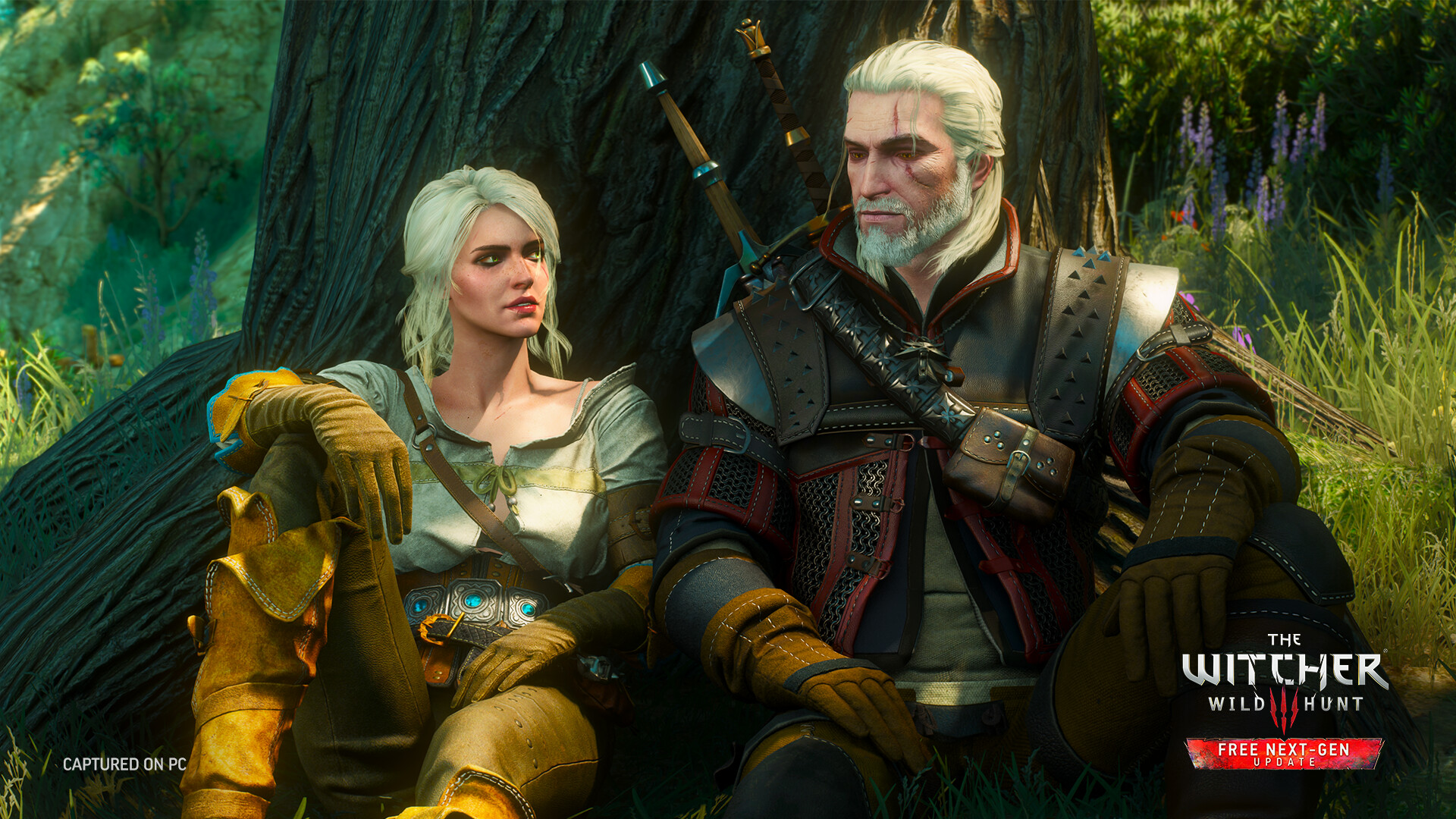
Tracking down Ciri — the girl Geralt raised like a daughter — leads from the marshlands of Velen to the grimy backstreets of Novigrad, then across the brutal seas of Skellige. Every step of the way, new stories and moral dilemmas demand attention. Geralt's decisions leave marks on this world, and those marks come back in the ending in ways you may not anticipate.
Ciri — The Most Fully Realized Supporting Character in Gaming
Ciri is the emotional core of The Witcher 3. The girl Geralt raised as a daughter is a unique figure in this world: she carries Elder Blood, giving her the ability to move between worlds and realities — a power so significant that the spectral riders of the Wild Hunt are hunting her across dimensions.
The game does not simply tell you about Ciri. You play as her in key sequences scattered through the main narrative. These sections put you inside her perspective — her speed, her unique blink ability, the specific pressure of being hunted by forces that have pursued her across worlds. By the time you return to Geralt's perspective, you understand what is at stake for her in a way that exposition alone could not create.
Choices made during Geralt's interactions with Ciri determine which of the game's three endings occurs. The pivotal moments are not signposted — they occur within natural conversations and decisions. Going to Skjall's grave with her. Letting her visit the emperor. Responding to her failures without judgment. The game does not tell you these choices matter. It expects you to behave like a person, and then shows you the consequences.
Ciri's three possible endings range from the most emotionally devastating to something approaching peace. Any of them can feel like the natural conclusion to what came before, which is one of the game's greatest structural achievements.
Combat Worthy of a True Witcher
The combat in The Witcher 3 rewards preparation over button mashing. Every enemy type has specific vulnerabilities, and matching the right oils, bombs, and Signs to the monster at hand transforms encounters from challenges into showcases. The five Signs — Igni for fire, Axii for crowd control, Quen for shielding, Yrden for trapping, and Aard for knockback — provide meaningful tactical options that deepen over the course of the game.
The core philosophy is preparation. A real Witcher studies prey before the fight, applies the correct oil, drinks the right decoctions. Do it properly, and even terrifying foes fall cleanly. Charge in unprepared, and you'll die regardless of level. This system creates a feeling no other game quite replicates: you feel like an actual Witcher, not just a swordsman with hit points.
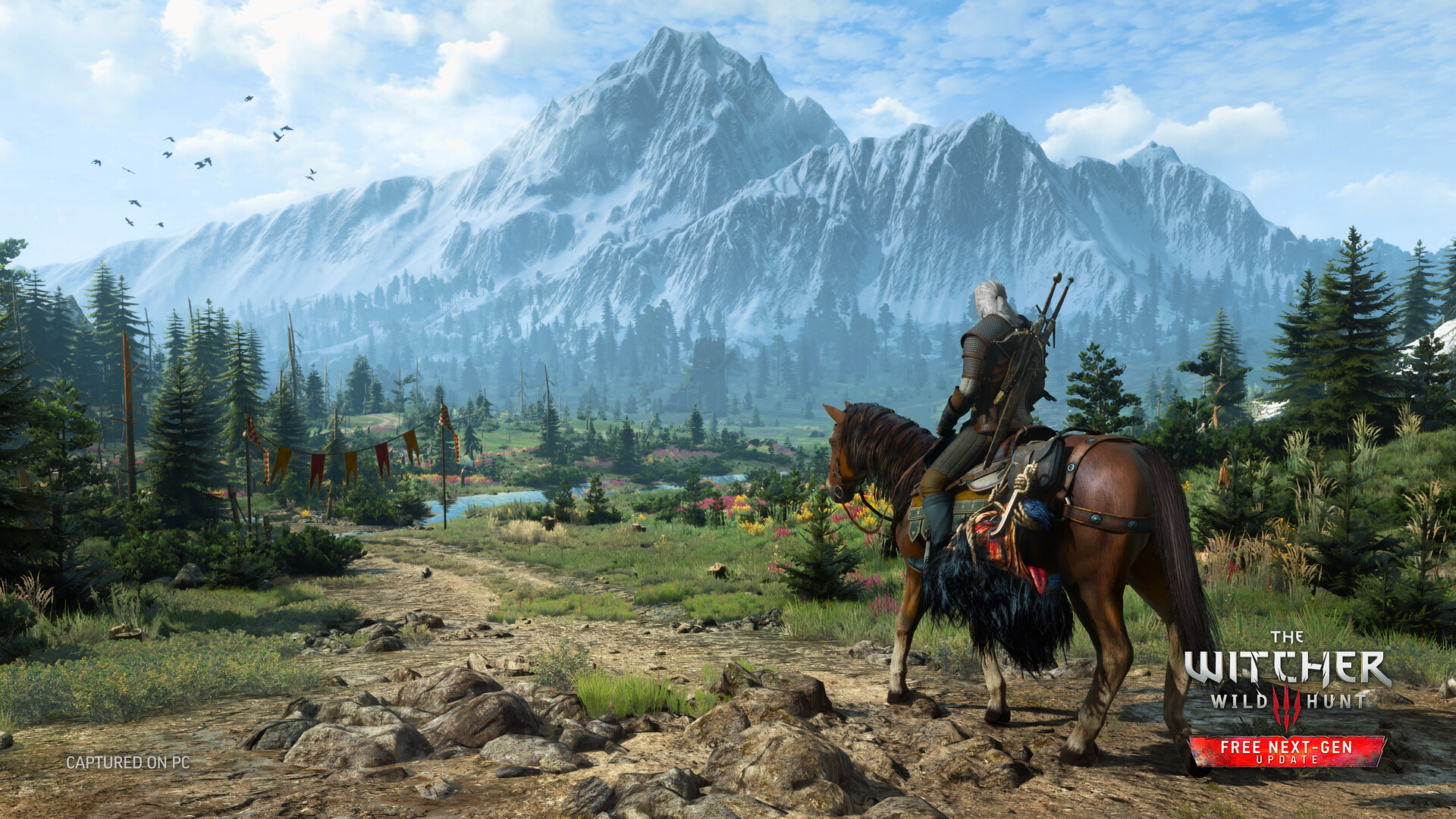
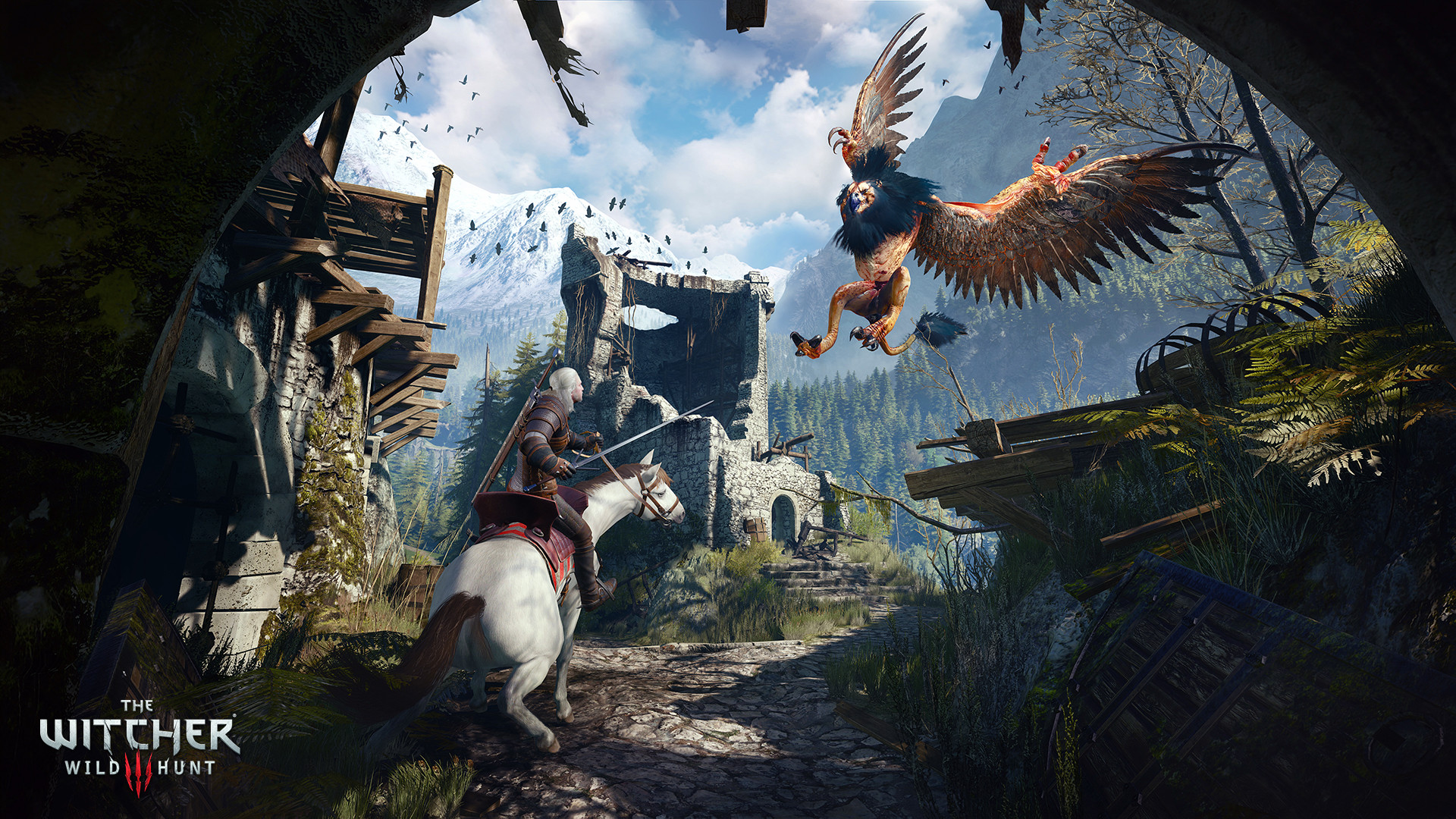
Mounted exploration on Roach, uncovering ancient ruins visible from a hillcrest, stumbling into contracts for ruins-haunted farmsteads — the world rewards curiosity at every turn, and hours evaporate before you realize you've entirely ignored the main quest.
Monster Contracts — The Most Witcher-Like Experience
The contract system is where The Witcher 3 feels most distinctly like what the series has always described: a profession, not an adventure. Contracts are not quest markers you walk to and clear. They are investigations.
The process: find the contract notice, speak with the client to understand what has been attacked and how, investigate the scene for physical evidence, identify the creature from its behavior and traces, research vulnerabilities, prepare the correct oil and bombs, and then hunt it. This full sequence — applied to a single encounter — creates a sense of procedural authenticity that combat-first games rarely achieve.
Some contract monsters are not straightforward antagonists. The Witcher 3's moral complexity extends into its contracts: certain creatures are humans transformed by trauma or curse. The question of whether to kill or find another resolution is present in these encounters, and choosing correctly requires paying attention to what the investigation reveals rather than simply following the combat objective marker.
The Bloody Baron — The Best Side Quest in Gaming
"Bloody Baron" is the questline most frequently cited when people argue that The Witcher 3's side content surpasses the main campaigns of lesser games. The argument holds.
Philip Strenger, the self-styled Bloody Baron, is a terrible introduction. He is drunk, threatening, and clearly capable of violence. His wife and daughter have fled him. He presents every signal that he is the villain of whatever story you are walking into.
Then you keep talking to him. And the picture fills in. He was shaped by a war that hollowed him out. He lost things in ways that explain — without excusing — what he became. He loves people badly, clumsily, and in ways that have damaged them. He is a victimizer who is also, somewhere beneath it, a victim.
There is no good outcome to this questline. Every path involves someone suffering. The game does not offer a resolution that feels clean, because none of its characters have lived lives that permit a clean resolution. This is what moral complexity actually looks like when it is handled with craft rather than just invoked rhetorically.
The Major Regions — Each Area a Complete World
Velen: Also called No Man's Land. War-ravaged countryside, starving peasants, fear and superstition governing daily life. The Bloody Baron's estate is here. Velen establishes the game's moral register early: this is a world where good and evil are often indistinguishable from one another.
Novigrad: The largest city in the game, and one of the most realized urban environments in open-world gaming. A thriving, dangerous port city where witch hunters are burning mages in the streets while organized crime controls the docks. The intersection of religious persecution, poverty, and institutional corruption in Novigrad rivals anything in the main plot for dramatic weight.
Skellige: An archipelago of islands with a Norse cultural texture — fierce, honor-driven, and as beautiful as it is brutal. A succession crisis creates political drama layered over the search for Ciri. The sea crossings and island environments are among the game's most visually distinctive locations.
Toussaint (Blood and Wine DLC): A southern French-inspired wine country that stands in deliberate visual and tonal contrast to everything before it. Sun-drenched vineyards, chivalric culture, elaborate estate architecture. It is not a naive place — the DLC's story has real darkness — but it is the game's warmest-colored world, and the most likely setting for Geralt to finally find something resembling peace.
Multiple Endings — The Weight of Accumulated Choices
The Witcher 3 has three major endings, determined not by a single "choose your ending" moment but by the accumulation of choices made throughout the game.
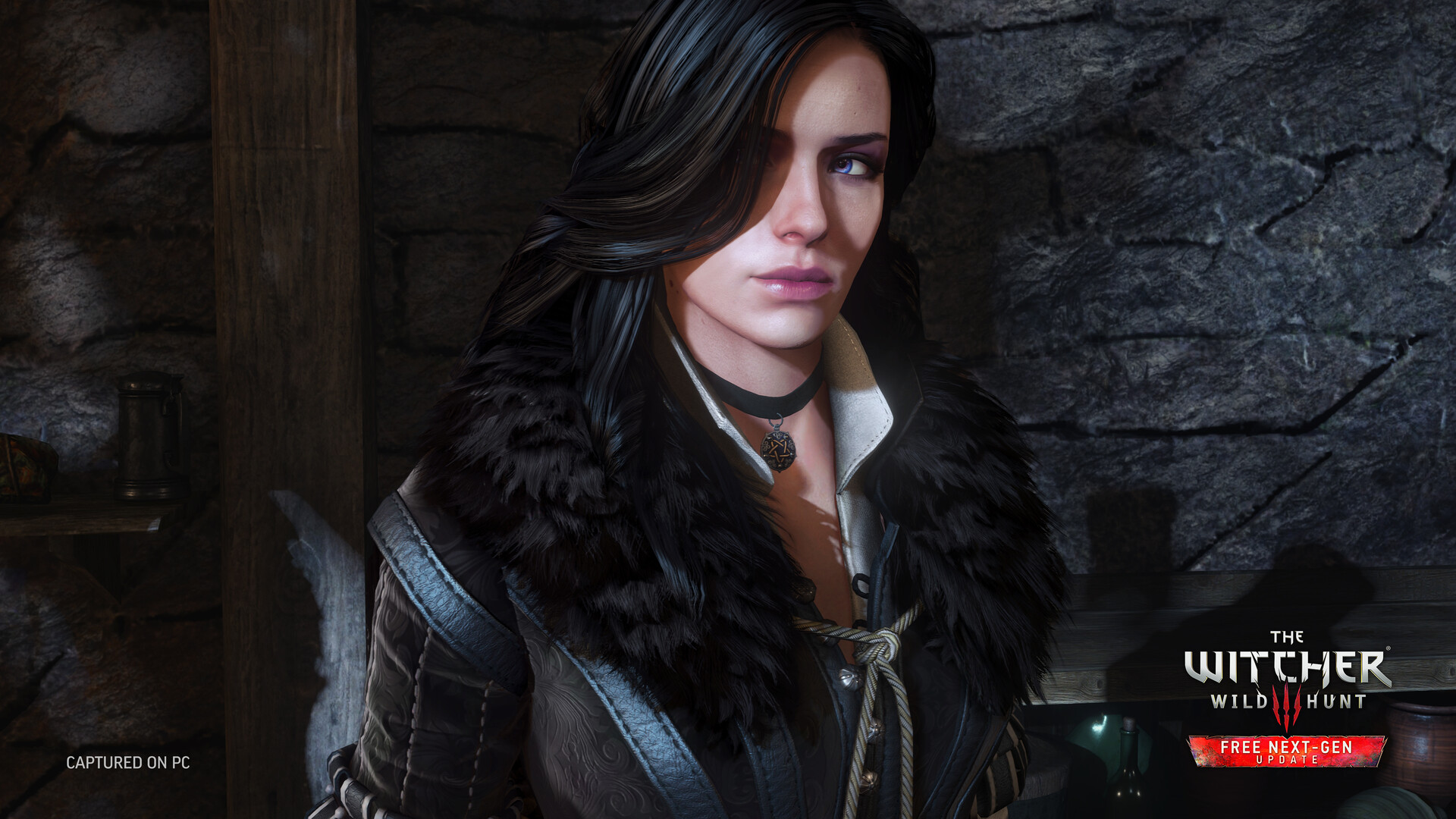
Triss or Yennefer: The romantic subplot is not separate from the main narrative — it is integrated into it. Which relationship Geralt nurtures, and how he behaves during key moments with each character, determines which ending state is available. Attempting to maintain both relationships simultaneously results in losing both. The game is explicit in making this a consequential choice rather than a completionist unlock.
Ciri's Three Paths: The moments that determine Ciri's ending are not labeled. They occur during Geralt's interactions with her at specific points: whether he goes with her to a place of personal significance, whether he lets her meet with a powerful figure without his supervision, how he responds when she fails. The game trusts players to make these decisions as a person rather than as a player gaming the outcome system.
Geralt's Ending: Changes based on the combination of romantic choice and Ciri's outcome. The range includes continued wandering, a new life in a city, and retirement in Toussaint. The endings are not ranked by happiness — each is a coherent conclusion for the character as shaped by the player's version of him.
Gwent: The Game Within the Game
There is a persistent joke that players neglect the main storyline entirely because of Gwent, the collectible card game embedded within The Witcher 3. That joke exists because it is entirely true for many players. Every merchant, innkeeper, and nobleman you meet is a potential Gwent opponent, and building a collection of rare cards is a pursuit that rivals the main quest in its grip.
The Structure: Three-round matches. Each round goes to the player with the higher total combat strength on the board. Win two rounds to win the match. Simple on the surface; strategically deep underneath.
The Core Strategy: Bluffing is central. Conceding the first round deliberately — spending minimal cards — to force your opponent to commit their strong cards, then winning rounds two and three with your reserves, is fundamental technique. Reading your opponent's deck type and adjusting accordingly is the higher level of play.
Deck Factions: Northern Realms, Nilfgaard, Monsters, and Skellige each have distinct mechanical identities. Northern Realms benefits from drawing cards on commander use. Nilfgaard specializes in disruption. Monsters maintain cards on the board between rounds. Skellige returns discarded cards to the hand.
The Collection: Rare and Legendary cards are obtained from specific merchants and NPCs who become unavailable as the story progresses. Early, attentive card collection pays dividends. Missing a merchant in Velen means missing their card permanently.
CD Projekt RED later spun Gwent into a standalone free-to-play title — a testament to how complete the original mini-game was.
More Than Expansions — Hearts of Stone & Blood and Wine
The two paid DLC packs, Hearts of Stone and Blood and Wine, are widely regarded as the finest expansion content in gaming history. Hearts of Stone offers a compact, Faustian tale of immortality and bargained damnation — short, sharp, and unforgettable. Blood and Wine opens an entirely new continent, Toussaint, and delivers a 20–30 hour story that rivals the base game in scope and ambition.
Toussaint's vibrant, French-inspired palette and lush vineyard landscapes stand in deliberate contrast to the main game's bleakness, providing Geralt's journey with an ending that feels like a beautiful sunset. If you haven't touched the DLC, you haven't seen the full picture.
The Complete Edition bundles both DLC packs, and there is no reason to purchase the base game alone if you're coming to this title fresh.
The Next-Gen Update: A Second Wind in 2022
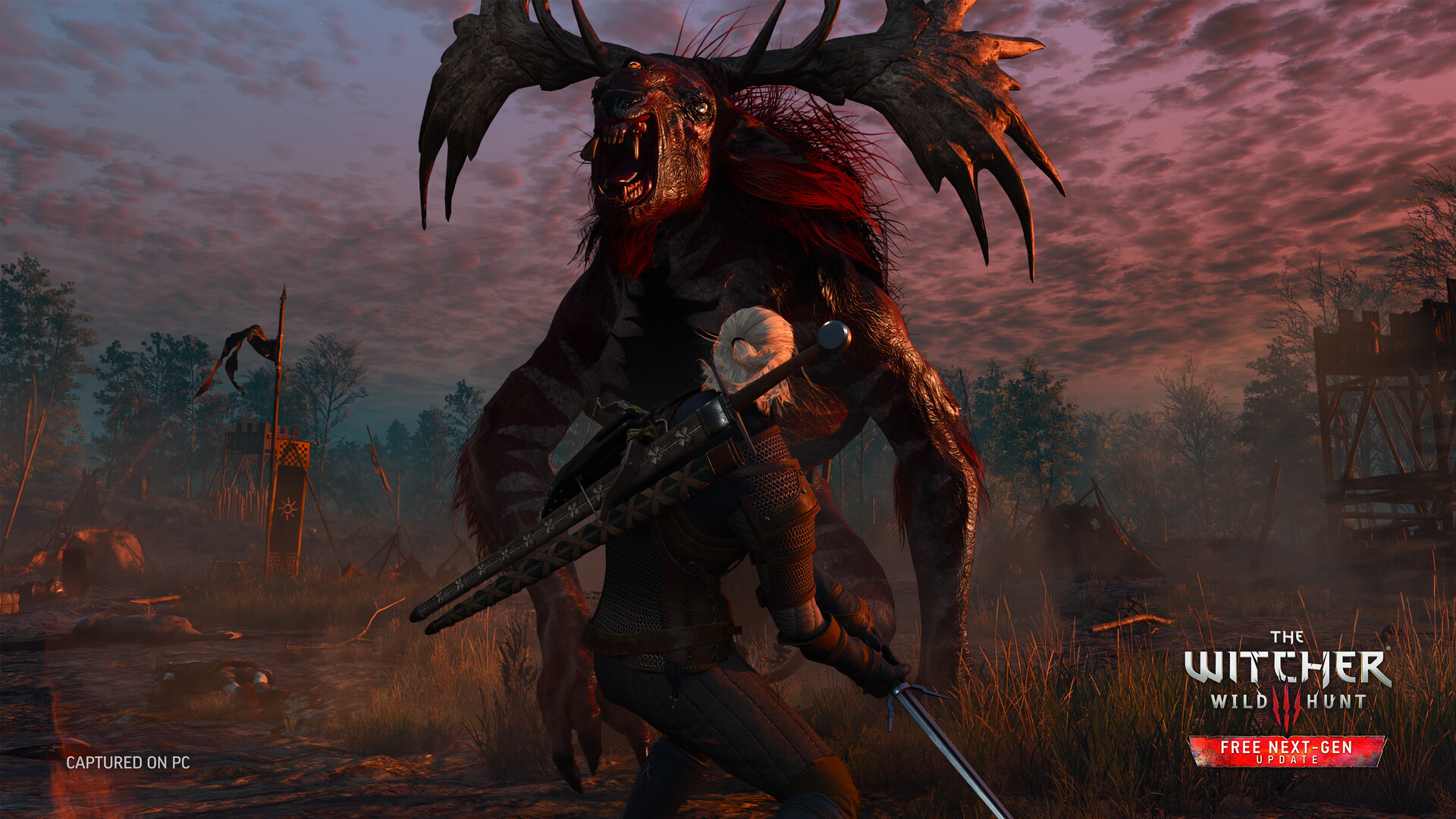
The free Next-Gen Update released in late 2022 elevated an already beautiful game further. Ray tracing support, upgraded textures and character models, cross-over content tied to the Netflix Witcher series (costumes, a quest, and items), a redesigned UI, and an overhauled camera system — all free to existing owners. DLSS and FSR improvements meant that modern hardware could push this 2015 release to visual heights it was never originally designed for. A decade-old game receiving mainstream attention as if it were a new release is a testament to its enduring quality.
Community Reaction
The Witcher 3 has maintained a specific position in gaming discourse that few games achieve: it is the first recommendation given to players who ask where to start with RPGs, regardless of how many newer entries have appeared. That position has not shifted significantly despite years of competition.
The Bloody Baron questline has become a subject of genuine ongoing debate in the community — not debate about its quality, but about the character himself. Threads asking "how do you read Philip Strenger — victim or villain, or both?" appear with regularity a decade after release. That a supporting character in a side quest generates this level of sustained moral inquiry is remarkable.
The emotional response to Ciri's "bad" ending has been documented extensively. Players who did not know the ending was bad, who learned it only after completion, and had to sit with it — the accounts of that experience are unusually consistent in their emotional intensity. It is the kind of narrative outcome that stays with people in ways that only fiction at its best manages.
Skill Builds — Defining Your Geralt
The Witcher 3's skill trees offer more meaningful customization than most open-world RPGs. Four primary branches — Combat, Signs, Alchemy, and General — combine with character mutation slots in the late game to allow genuinely distinct playstyle identities.
Combat Builds: Focus on fast attacks, adrenaline point generation, and counterattacks. The infamous "Cat Build" maintains near-maximum toxicity by continuously consuming decoctions, triggering a powerful buff at the cost of constant management. It is high-risk and high-reward in a way that changes how you think about the Alchemy system.
Signs Builds: Prioritize sign intensity and elemental effects. An upgraded Igni with burning chance turns most non-boss encounters into brief, decisive affairs. Yrden's extended duration with signs investment enables a slower, more controlled rhythm focused on disrupting enemy patterns before engaging.
Alchemy Builds: Extend decoction duration and toxicity thresholds, allowing more simultaneous active effects. This is widely considered the most authentically Witcher way to play — entering combat with multiple active decoctions, having done the preparation the profession demands.
Different builds change the feel of the game substantially enough that a second playthrough with a different investment emphasis is a genuinely fresh experience.
Getting Started: Tips for New Players
- ▶Choose your difficulty wisely: Story mode or Normal are recommended for first-timers. The game's power lies in its narrative, not its difficulty ceiling.
- ▶Actually use your oils and bombs: Many players hoard these items and never apply them. Correct preparation makes fights dramatically more satisfying.
- ▶Do not skip side quests: Several of The Witcher 3's secondary quests contain better storytelling than most games' main campaigns. The Bloody Baron questline is the most famous example.
- ▶Collect Gwent cards early: Some vendors and NPCs become unavailable as the story progresses, permanently locking off specific cards.
- ▶Learn to ride Roach: Your horse is awkward at first but essential for efficient travel and mounted combat escape.
- ▶Take the contracts seriously: Monster contracts are not filler content. The investigation-to-hunt sequence is the most authentically Witcher experience the game offers.
The Soundtrack — Music That Defines Its World
The Witcher 3's score is a collaboration between the studio's in-house composers and Percival, a Polish folk-metal band whose incorporation of traditional Slavic instruments gives the soundtrack a cultural texture no generic fantasy score could achieve.
Velen's music is spare and melancholic — low strings, folk melodies that sound inherited from genuine folk tradition. Novigrad layers mercantile energy and urban complexity into its soundscape. Skellige's music is expansive and martial, drawing on Norse folk traditions to match the island culture it accompanies. Toussaint's score is immediately lighter — warmer, more melodic, almost cheerful in a way that contrasts with everything before it.
The ambient audio design matches the score's quality. The sound of a storm building across Skellige's water, the distant sounds of cities as you approach them, the specific texture of rain on different surfaces — these accumulated details are a significant part of why the world feels genuinely inhabited rather than decorated. A game's world sounds like a place when you notice that it changes sound depending on where you are within it. This one does.
Final Verdict — Why It Remains Essential After a Decade
The Witcher 3: Wild Hunt is not merely a very good game. It is the measuring stick for what an open world RPG can achieve. The moral weight of its quests, the consequences that ripple through its world, the sense of genuine life in every corner of its map, and the sheer quality of its DLC — this game delivers what few others have ever attempted: making the player feel as though they genuinely lived inside another world.
It goes on deep sale regularly, but it is worth every penny at full price. If you love RPGs and have not yet spent time in the Northern Kingdoms, there is no better moment than now.