# Celeste — Where Difficulty and Storytelling Become the Same Thing
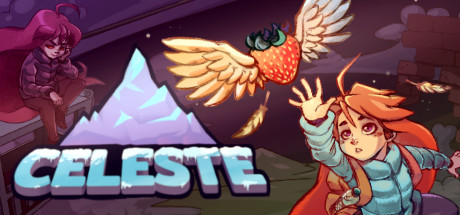
Developer: Maddy Thorson & Noel Berry (now Extremely OK Games) | Price: $19.99 | Platforms: PC, Nintendo Switch, PS4, Xbox One
Steam Rating: Overwhelmingly Positive (97%) | Metacritic: 94 | The Game Awards 2018 GOTY Nominee
A Mountain, and Everything Else
On the surface, Celeste is simple. A young woman named Madeline wants to climb Celeste Mountain. You jump. You climb. You dash. That's the whole vocabulary.
But Celeste is not a game about climbing a mountain — or rather, it's a game where climbing a mountain and fighting your own mind are the same action. The anxiety that tells you you're not good enough. The impulse to give up when the next room looks impossible. The long, difficult work of reconciling with the darkest parts of yourself. In 2018, a small team armed with a pixel-art engine and a clear creative vision made an argument that a $20 indie could say things that a $200 million production couldn't. That argument holds up.
The Mechanics: Simple Inputs, Infinite Depth
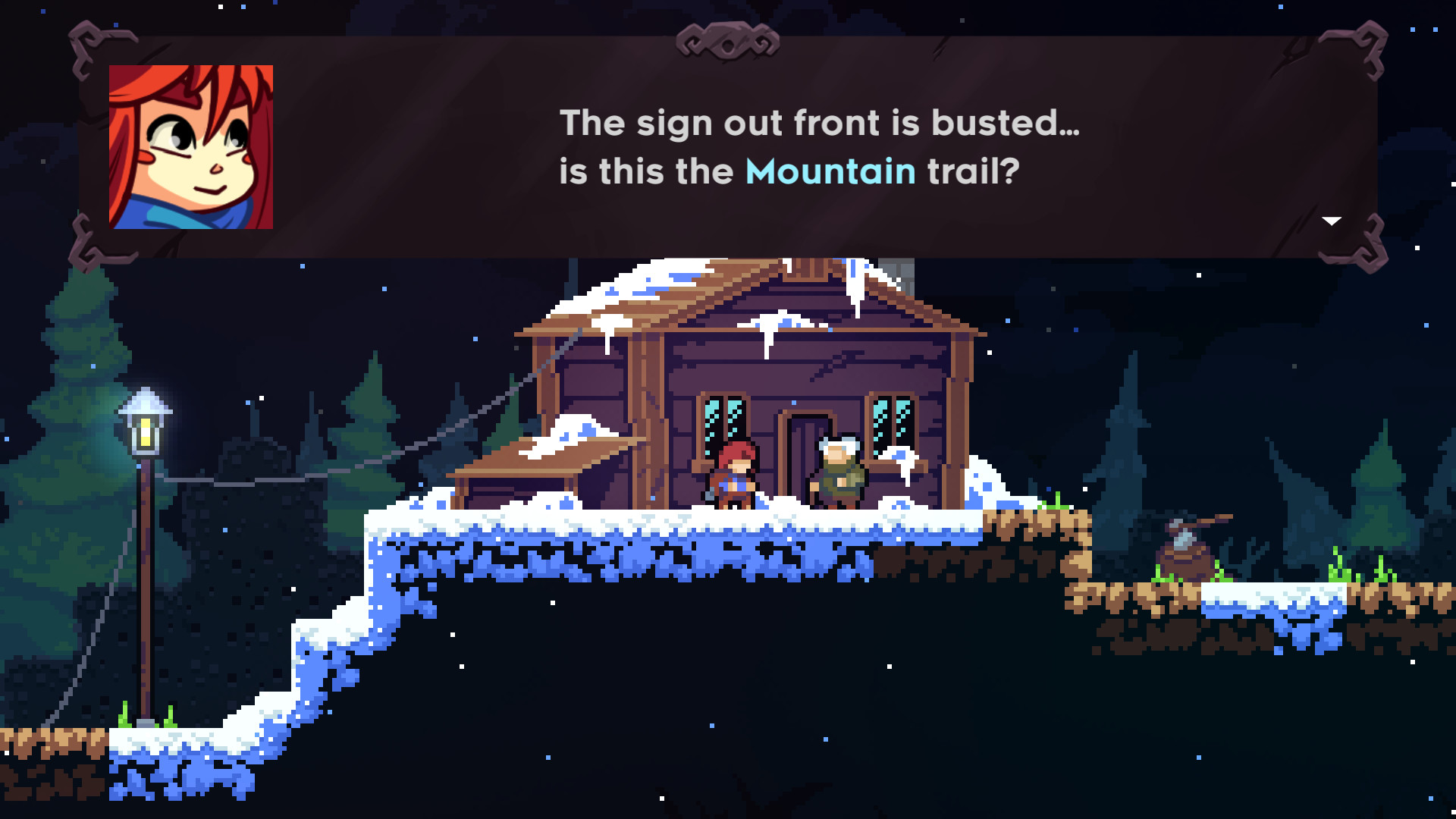
Celeste's control set is deliberately minimal. Madeline does three things.
Jump — the basic traversal action. Touch a wall and you can cling to it for a few seconds, scale it, or kick off it to reach the other side. Wall-jumping between two close surfaces is one of the game's foundational movement techniques, elegant and satisfying once internalized.
Dash — the defining mechanic. A short, fast burst in any of eight directions, available once per airtime. Land on the ground, touch certain objects, and the dash recharges. In the base game, one dash. As optional content expands the toolkit, a double dash becomes available — but the single dash is all the core game ever requires. Its range of applications, from narrow escapes to precise long-range traversal, is what makes Celeste's level design tick.
Grab — cling to rock faces and certain objects. A stamina bar limits hang time. This constraint creates tension in every long climb: time the next move before the grip gives out.
Three inputs. The depth they produce is remarkable. Learning Celeste is like learning a piece of music: first you identify each note, then the phrases, then it stops being deliberate and becomes fluency. When that fluency arrives — when the hands know what to do before the mind does — the act of playing becomes its own reward.
Death resets the player instantly, no loading screen, no penalty. Dying is information. It tells you this timing doesn't work. The next attempt starts from what you learned.
The Narrative: Madeline, Part II, and the Metaphor Inside Each Chapter
Celeste's story can be summarized quickly. Madeline decides to climb a mountain for reasons she can't fully articulate. Partway up, she encounters a reflection of herself — a figure the game calls Part II, who embodies everything Madeline fears about who she is. Negative self-talk. The conviction that she will fail. The part of her that would rather stop.
The game translates this internal conflict into environment. An abandoned resort feels like anxiety left to fester in a closed space. The Mirror Temple is a literal enactment of confronting your own distorted self-image. The chapters chart Madeline's resistance, breakdown, and eventual shift — not toward defeating that darker self, but toward understanding that the goal was never elimination. Part II is not the final boss.
What makes this work — really work — is that the mechanical language and the narrative language are the same language. Every time you die and restart, you are doing what Madeline is doing: refusing to stop, trying again, accumulating knowledge from failure. The game does not need a cutscene to tell you what perseverance feels like. You are already practicing it.
Chapter Structure: Eight Chapters, B-Sides, and C-Sides for the Committed
Celeste has a prologue, seven main chapters, and an epilogue. Each chapter introduces a new mechanical wrinkle and a distinct environmental identity. A complete first run of the main game typically takes eight to twelve hours, depending on how readily the rooms click.
That is not the full picture.
B-Sides — hidden cassette tapes in each chapter unlock an alternate version of that chapter, with remixed layouts and meaningfully higher difficulty. They use the same mechanics but apply them through sequences that assume mastery. Players who found the main game comfortable will find the B-Sides testing a different ceiling.
C-Sides — unlocked after completing all B-Sides. Each C-Side is short, three rooms, and extremely difficult. These are not for everyone, and the game doesn't pretend they are. Completing every C-Side is a genuine achievement in the community, reserved for players who have internalized the mechanics completely.
Strawberries — 175 collectibles scattered through every chapter. Some are visible, some require specific conditions to appear, some demand routing decisions. The crucial design detail: strawberries are entirely optional. They don't gate progression. They don't unlock the B-Sides. The ending doesn't change based on how many you've collected. They exist for players who want a voluntary challenge — not as requirements imposed on everyone else.
This structure means Celeste serves a wide range of players simultaneously. The main game is the story. Everything beyond it is offered, not demanded.
Assist Mode: A Statement About Who Games Are For
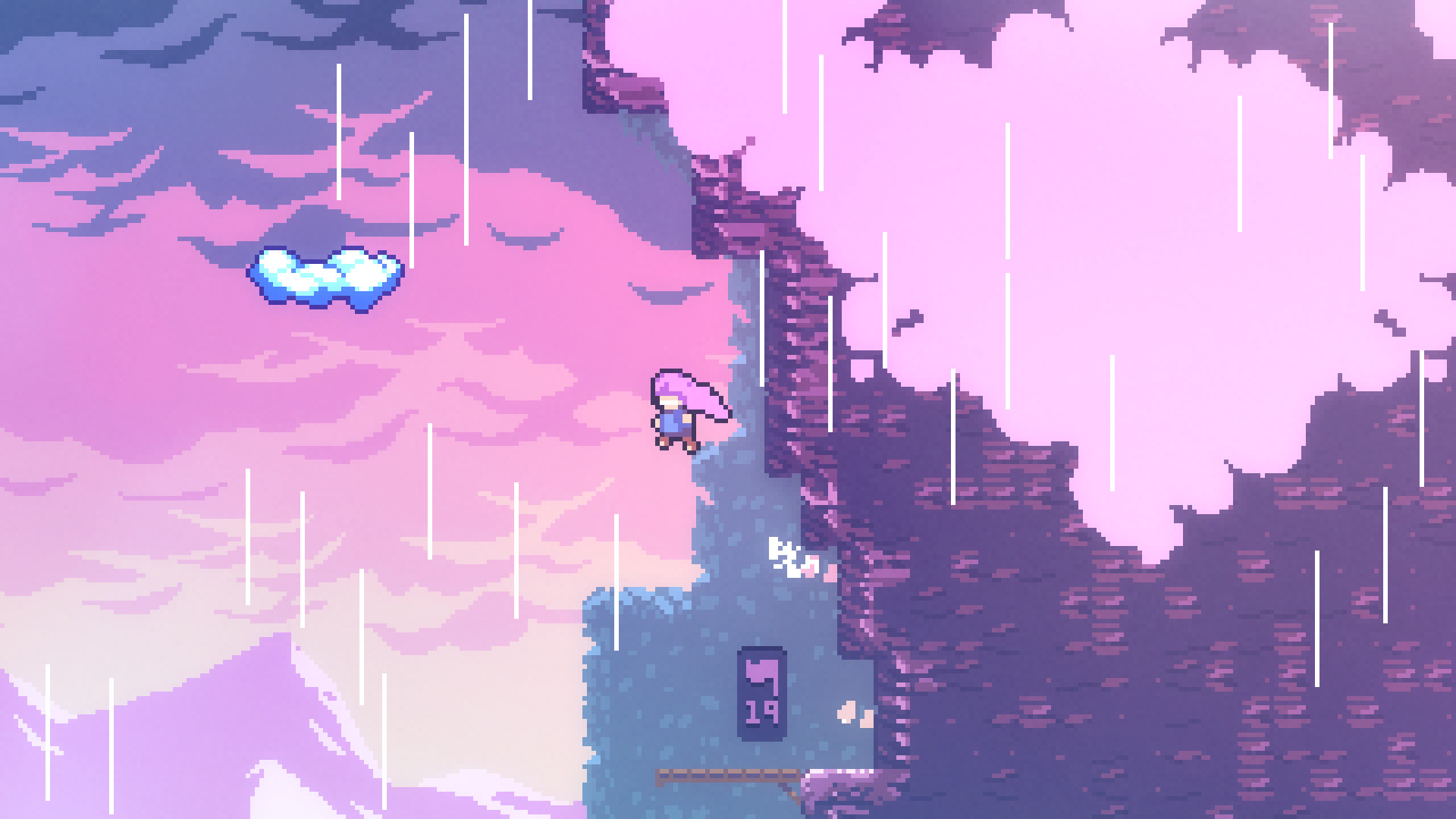
Celeste is hard. The main game involves hundreds of deaths for most players. And yet the development team made Assist Mode accessible from the standard settings menu, without burying it or surrounding it with discouraging language.
Assist Mode lets players adjust game speed, enable infinite stamina, toggle invincibility, and increase the number of available dashes — each option configurable independently. When the player turns it on, the game explains that Celeste is a challenging experience and that these settings alter it, then says: "This is your game. Play it your way."
This is not a small design decision. In interviews, the team described Assist Mode as part of the game's intended experience, not a concession to players who couldn't handle the "real" version. The driving belief was that Madeline's story should be accessible to anyone who wants it — and that experiencing a narrative and achieving a hard clear are separate things, both valid, neither superior.
The games industry has spent years arguing about whether difficulty options undermine artistic intent. Celeste made the counterargument without writing a single think-piece. It built the option in, explained it honestly, and let players decide. That is a position about game design, and it is the right one.
Use Assist Mode without shame. The game says so.
B-Sides and C-Sides: The Optional Extremes
The B-Sides and C-Sides deserve their own section because they represent something uncommon: challenge content that is genuinely, structurally optional, without the main game withholding anything to incentivize it.
B-Sides take the theme and mechanics of each chapter and rebuild them for players who have gotten comfortable. The remixed layouts use the same tools but demand tighter execution, longer sustained sequences, and more creative application of the dash system. They are where Celeste's mechanical depth fully reveals itself.
C-Sides compress that demand into three rooms of extreme precision. There is no padding. Each room is short and nearly flawless execution is required to pass. For players who have done everything else, the C-Sides are the final answer to the question of how far the movement system can be pushed.
Neither is required. The main game's ending is complete on its own terms. The B-Sides and C-Sides exist as an honest answer to the question: what is here for people who want more? The answer is: considerably more, and considerably harder.
Strawberry Collection: Completionism Without Gatekeeping
Celeste's approach to collectibles is a template worth stealing. The 175 strawberries are distributed across the game as genuine voluntary challenges: some placed in view but out of safe reach, some (Winged Strawberries) that only appear if Madeline hasn't died in the current room, some accessible only through specific routing decisions that most players won't discover naturally.
None of them are required. The game never uses them as a gate. They are there for the player who looks at a room and wants one more thing to accomplish in it — not for the player who just wants to get through.
This is how completionism should work. Rewarding the player who seeks extra challenge without penalizing the player who doesn't. Celeste does it in a way that respects both audiences equally.
Lena Raine's Score: Music as Emotional Architecture
Celeste's soundtrack, composed by Lena Raine, is not background. It is the emotional structure of the game, expressed in audio.
The score tracks Madeline's internal state across the eight chapters. Early chapters carry an anxious, bouncing piano energy — forward momentum undercut by unease. The Mirror Temple's music warps into distorted electronics that match the visual disorientation. The final ascent builds through tension into something that earns its release. Each chapter's music would be recognizable from a playlist, not because the themes are catchy but because they're doing real work — encoding the emotional register of each section so precisely that hearing them outside the game retrieves the feelings of playing it.
Chapter Six — Reflection — places one of the score's most powerful cues at the game's most emotionally intense moment. The combination lands with the kind of effect that most games spend enormous resources failing to achieve. This is a pixel-art title.
Lena Raine has since become one of the most respected names in game music. Celeste is where that reputation was built.
Why Celeste Won the 2018 GOTY Conversation Despite Being an Indie
2018 was not a quiet year for games. God of War, Red Dead Redemption 2, Spider-Man — all launched in the same twelve months, all with budgets and production values that dwarf anything an indie team can spend. Celeste appeared in GOTY discussions alongside all of them. That didn't happen by accident.
The things Celeste achieves are not purchasable at any budget level. Aligning a game's mechanical language with its narrative argument — so that what you do as a player is what the protagonist is doing emotionally — requires a clarity of vision that money cannot buy. Treating death as a learning tool rather than a punishment requires designing every room with that philosophy consistently applied. Building Assist Mode without shame requires genuinely believing that all players deserve access to the story. Creating a score that functions as emotional architecture requires a composer and a design team in close dialogue about what each chapter means.
These are decisions, not expenditures. A $200 million budget doesn't produce them; a clear creative vision does. Celeste had one from beginning to end, and that coherence is what placed a small indie at the center of the year's most competitive awards conversation.
Tips for New Players
Three things to know before starting Celeste:
Use Assist Mode without shame. The game explicitly invites it. Dropping the game speed slightly or adding a second dash makes the opening chapters significantly more accessible for players new to precision platformers. If the goal is to experience Madeline's story, there are no conditions on using it.
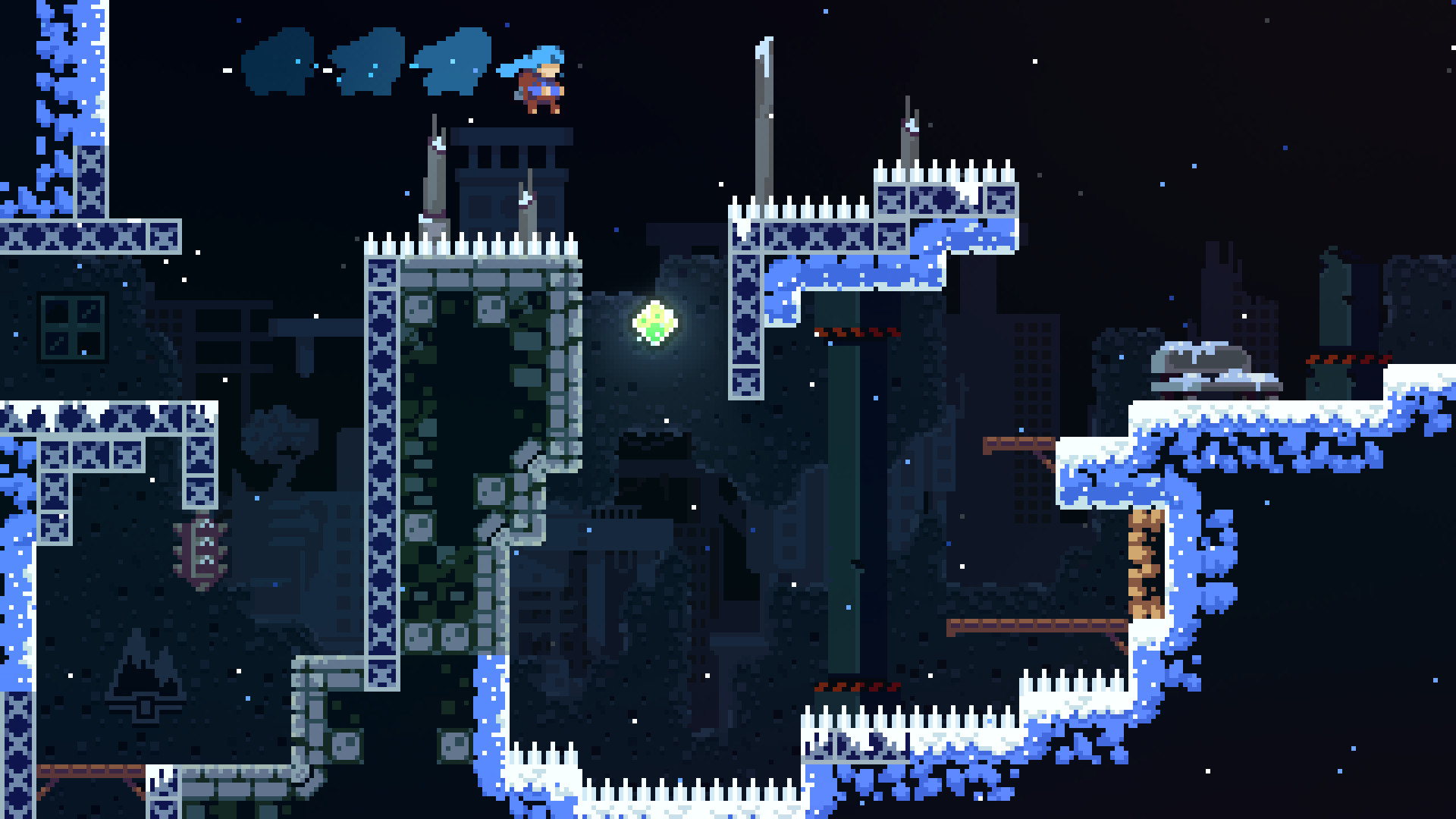
Read the screen's visual cues. Celeste almost always shows you the solution before expecting you to execute it. Glowing objects, the direction background elements move, the drift of dust particles — these are the game communicating what comes next. When stuck, scan the full room before changing strategy.
B-Sides and C-Sides are optional. The main game's ending is the story of Celeste. B-Sides and C-Sides are there for players who want more challenge after the credits roll, not as requirements. If the main game feels adequately difficult, the B-Sides are a separate choice to make later.
One more: don't rush the chapters. Celeste's rooms are small and the game moves quickly, but the environments carry detail and the music shifts between screens. Moving fast is a skill the game rewards. Paying attention is how you understand why any of it matters.
Why Celeste Belongs in Picks
If you need to make the case that indie games can deliver experiences that no production budget can replicate, Celeste is the argument. A small team built a game where the mechanics and the narrative and the music are all saying the same thing in the same language — where every death and every retry is structurally identical to what the protagonist is going through emotionally. That alignment is extraordinarily rare.
Reaching the summit — after however many attempts it takes — doesn't feel like completing a hard game. It feels like something Madeline would recognize. The game was built that way on purpose.
That's what a masterpiece is.