
Getting one lucky Slay the Spire clear and consistently winning are completely different skills. This guide focuses on the principles and character knowledge that turn occasional wins into reliable clears.
1. The Most Important Rule: Deck Slimming
The most common beginner mistake is adding every good card you see. Understanding why this is wrong is the first step to winning consistently.
The Math of Deck Size
- ▶30-card deck: ~16% chance of drawing your key card in your opening 5
- ▶15-card deck: ~33% chance
- ▶10-card deck: ~50% chance
Thinner decks mean your combos fire more often. A mediocre synergy that triggers every fight beats an incredible combo that shows up once per three fights.
Target Deck Sizes
- ▶Act 1: 10–15 cards
- ▶Act 2: 15–20 cards
- ▶Act 3: 20–25 cards (expand only if necessary)
Card Addition Decision Test
Before adding any card, answer these three questions:
- 1Does this card directly support my core strategy?
- 2Does it synergize with at least two cards already in my deck?
- 3Does my deck currently fail at something this card fixes?
If fewer than two answers are "yes" — skip it.
2. Character-Specific Strategies
Ironclad — Best Starting Character
Primary Build Paths:
- ▶Strength Build: Spot Weakness → Inflame → Heavy Blade
- Heavy Blade: Deals +5 damage per point of Strength above 0
- At 5 Strength, Heavy Blade deals 25+ damage per cast — scales aggressively
- ▶Block Build: Barricade + block cards → Block persists between turns
Core Cards:
- ▶Bash: Applies Vulnerable (+50% damage received) — enables burst from any attack that follows
- ▶Whirlwind: Hits all enemies X times for all Energy spent — scales with any strength source
- ▶Exhume (upgraded to 0): Retrieve any Exhausted card — enables one-use powerful cards twice
Avoid: Adding too many cards before your Strength engine comes online
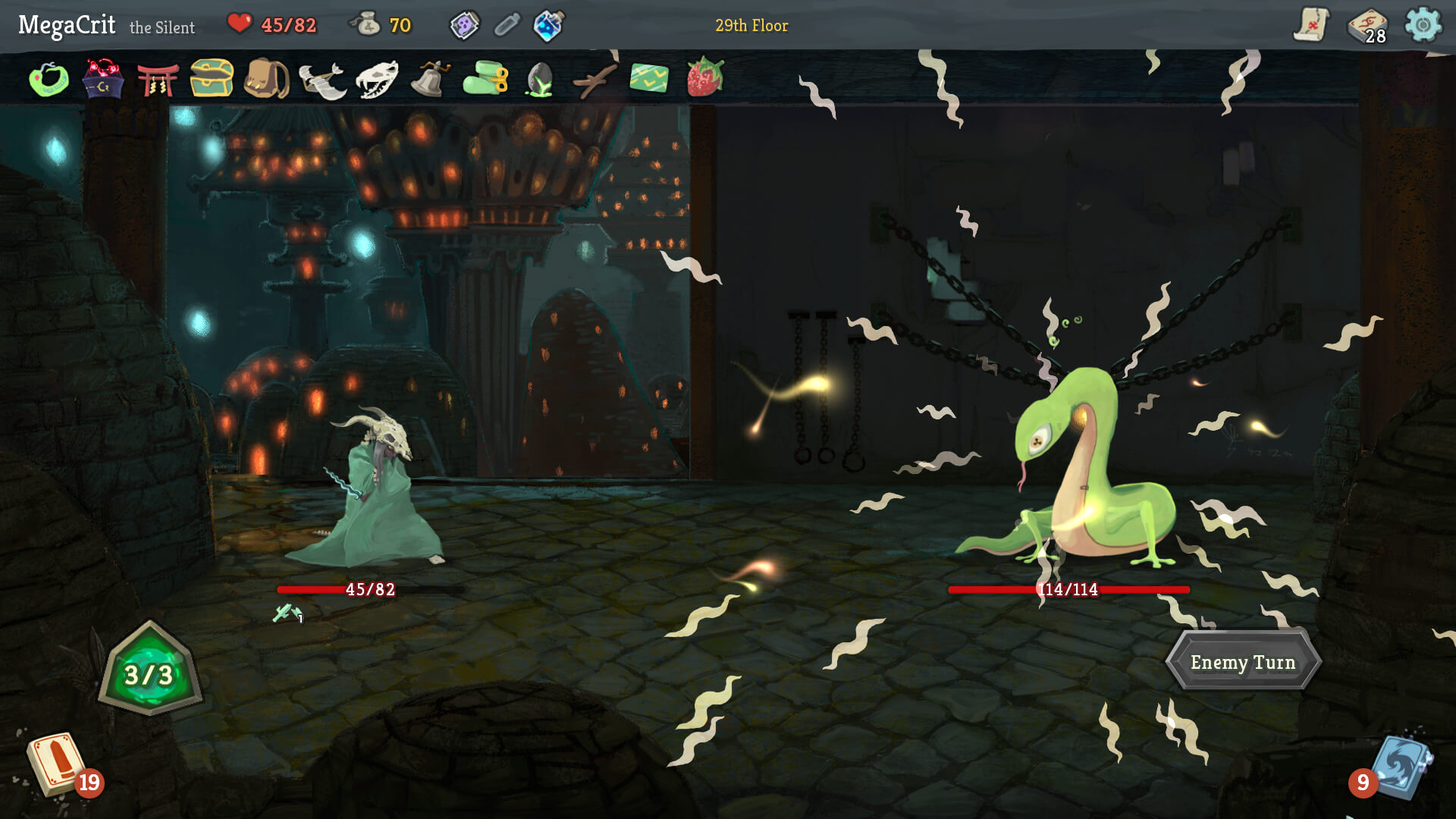
Silent — Poison and Shiv Master
Primary Build Paths:
- ▶Poison Build: Stack poison across multiple cards for passive scaling damage
- Noxious Fumes: Applies 2 Poison to all enemies at turn start — completely automated damage
- Catalyst: Doubles (or triples when upgraded) current Poison stacks — exponential scaling
- ▶Shiv Build: Flood the deck with 0-cost Shivs → synergize with Blade Dance and Thousand Cuts relic
Core Cards:
- ▶Acrobatics: Draw 3, discard 1 — best hand quality card in the game for 1 energy
- ▶Well-Laid Plans: Retain 1 card each turn — hold your best card until needed
- ▶Endless Agony: 0-cost damage that copies itself into your deck when discarded — automatic deck self-replication
Avoid: Mixing Poison and Shiv strategies — they dilute each other
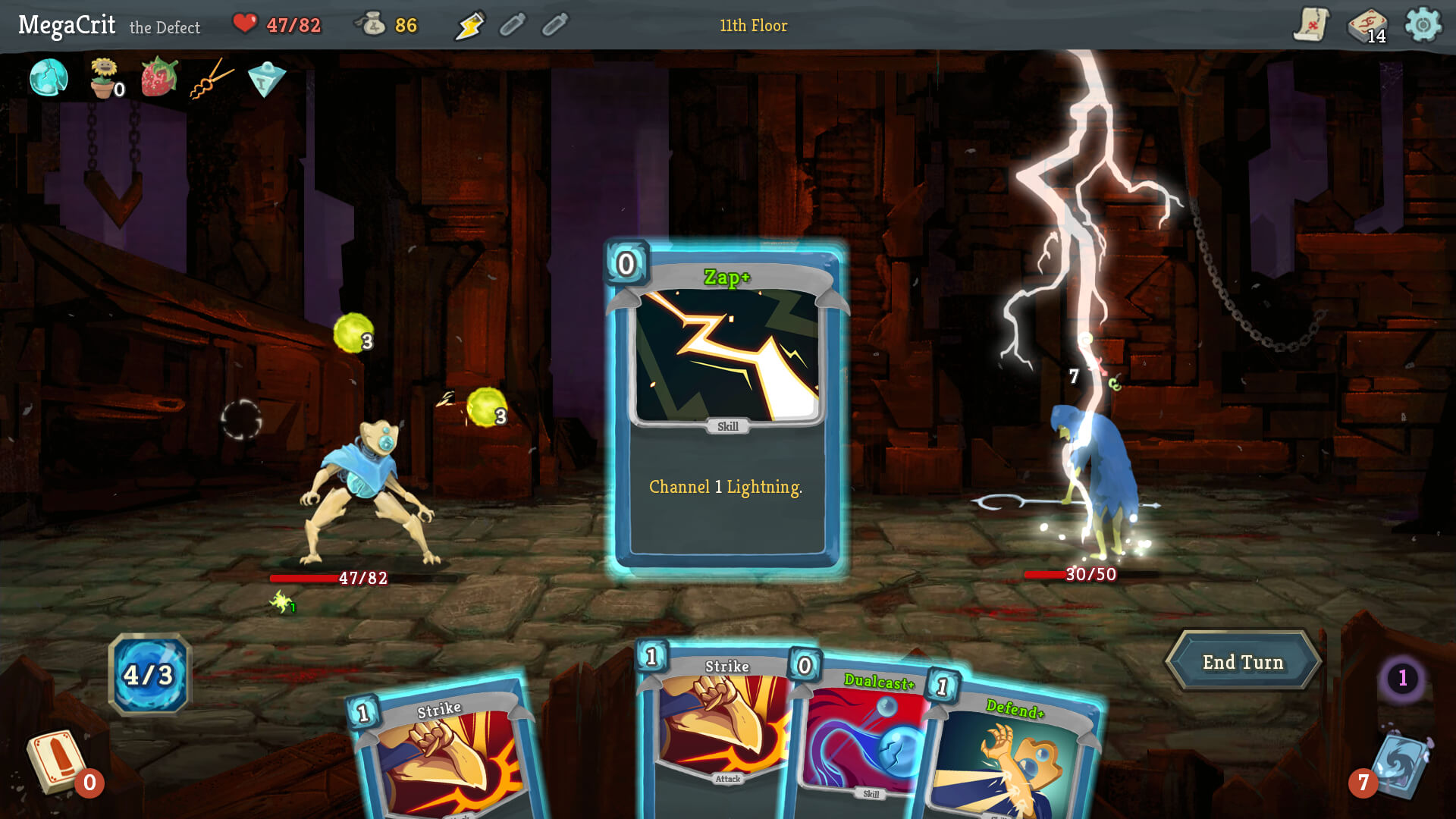
Defect — Orb System Specialist
Primary Build Paths:
- ▶Lightning Orb Build: Spam Lightning Orbs → Electrodynamics (all Orbs target all enemies)
- 4 Orb slots full of Lightning = 12+ damage to all enemies at turn end passively
- ▶Frost Orb Build: Consistent block generation every turn — defense-oriented play
Core Cards:
- ▶Zap: Immediately evokes a Lightning Orb — upgraded becomes 0 cost
- ▶Dualcast: Evoke the leftmost Orb twice — doubles Lightning Orb damage
- ▶Defragment: +1 Orb slot — upgrades from 3 to max 6 slots
Avoid: Mixed Orb types — consistency requires committing to one type
Watcher — Highest Skill Ceiling, Highest Reward
Primary Build Paths:
- ▶Divinity Build: Enter Divinity stance → 3x damage multiplier → guaranteed kill combos
- Scry + Miracle cards preserve Energy for the stance setup
- ▶Wrath Loop: Cycle Wrath/Calm stances rapidly for bonus Energy generation each cycle
Core Cards:
- ▶Eruption: Enter Wrath stance while attacking — upgraded to 0 cost, making stance entry free
- ▶Tantrum: 3-hit attack → enter Wrath → return to draw pile (not discard pile — immediate replay)
- ▶Omniscience: Pick any 2 cards from draw pile and play them immediately — enables combo control
Avoid: Playing Watcher without stance cycling — it becomes a weak baseline character
📸 Screenshots
3. Relic Priority
Relics are more powerful than cards in most cases. Picking the right ones matters more than individual card choices.
Top Universal Relics
| Relic | Effect | Tier |
|---|---|---|
| Runic Pyramid | Cards don't discard at turn end | S — maximizes combo consistency |
| Snecko Eye | Draw 2 extra cards, costs randomized 0–3 | A — mandatory for expensive builds |
| Sozu | Potions +50% stronger, but can no longer obtain potions | S/B depending on build |
| Philosopher's Stone | +1 Energy, all enemies gain +1 Strength | A — best in high-damage builds |
Relic Evaluation Principle
- 1Does it directly synergize with your current strategy?
- 2Does it create a scenario where you can't win? (Sozu kills potion-dependent builds)
- 3Would this relic enable a build direction you couldn't access otherwise?
4. Boss Counter Strategies
The Guardian
- ▶Phase 1: Normal attack until it shifts to Defensive mode
- ▶Key: Deal maximum damage before the Mode Shift — after which all attacks are reduced to 1
- ▶Vulnerable + Strength builds need to bring it below 50% HP before it shiftsg
Hexaghost
- ▶Its first attack damage scales with your current HP when combat starts — full HP means potentially lethal first strike
- ▶Either enter the fight deliberately lower on HP, or stack 50+ Block before it attacks
- ▶Poison builds shine here — you don't need to attack at all
Time Eater
- ▶Playing 12+ cards in one turn causes it to stop time — you lose remaining card plays
- ▶Counter: Focus on card efficiency over card volume (Exhaust builds excel)
- ▶Spread Power card usage across multiple turns
5. Advanced Tips for Higher Ascension
- 1Always fight Elites: Elite combats drop Relics. The majority of your power comes from these encounters — never skip them if you can survive.
- 1Campfire decisions matter: Upgrading a card vs. resting for HP is a meaningful choice every time. A single upgraded core card can determine whether you clear a boss.
- 1Use potions before bosses, not only at bosses: Potions are meant to be used every combat. Saving everything for Act 3 and dying mid-Act 2 is a waste.
- 1Audit your deck at Act transitions: Look at your full card list and identify "cards I never want to draw." Purge events should always remove your weakest card.
Slay the Spire deckbuilding is about resisting temptation. Every card that looks individually good is a dilution of your core strategy. The path to consistent clears is finding your synergy early and building everything around making it trigger as often as possible.